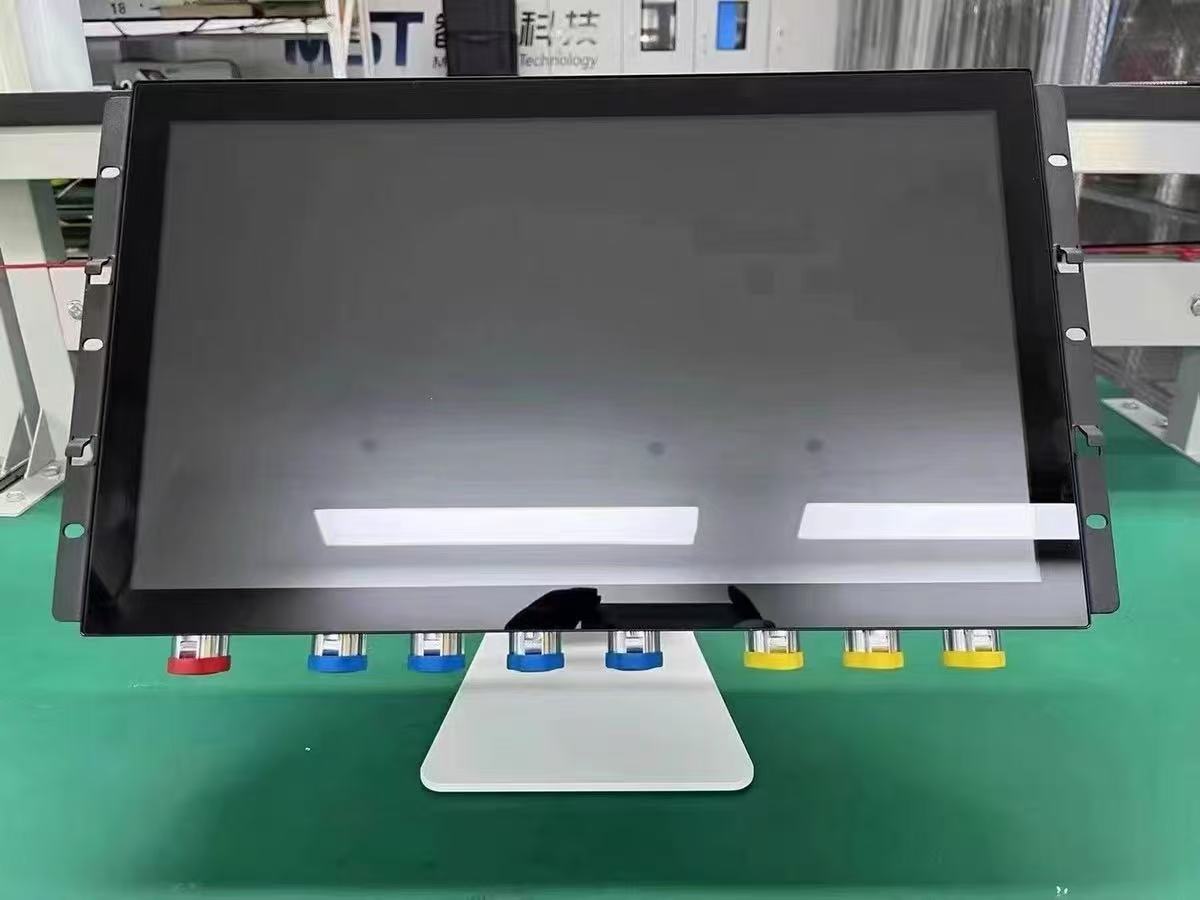
RK3588 8-USB Industrial Control Solution for Machine Vision, Industrial IoT, and More
#ARMDev#AI#FPGADev
The RK3588 is a high-performance ARM-architecture processor, widely used in industrial control, edge computing, multimedia processing, and other fields. Designing an industrial control solution for the RK3588 platform that supports 8 USB interfaces typically requires combining hardware design with system software configuration to achieve stable data transmission and device management.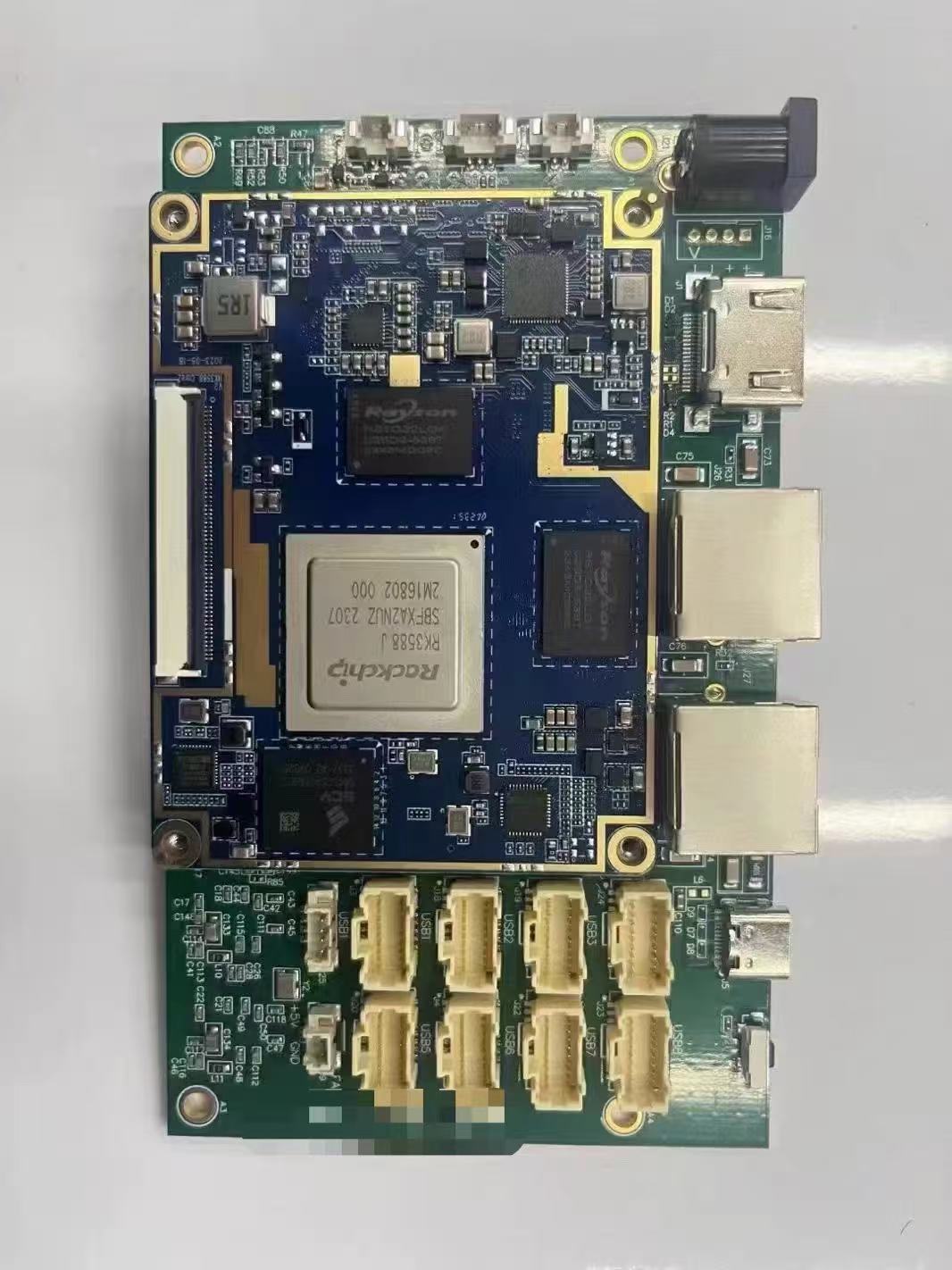
Key aspects of this solution include:
-
Hardware Design:
- Utilize the RK3588 chip as the main control unit, extending multiple USB interfaces via USB Hub controllers.
- A multi-stage Hub topology can be adopted; for instance, using two 4-port Hub chips connected to the RK3588's two USB 3.0 interfaces, thereby achieving a total of 8 USB interfaces.
- Ensure the power management module provides stable power to all USB devices. Overcurrent protection and hot-swap support are recommended.
-
System Software Configuration:
- Enable support for the USB subsystem in the Linux system, including driver loading (e.g., ehci-pci, xhci_hcd).
- Configure kernel parameters to optimize USB performance, such as setting
usbcore.autosuspend=-1to disable the auto-suspend feature. - Use udev rules for device identification and permission management, ensuring that connected USB devices can be correctly recognized and accessed.
-
Application Layer Development:
- Develop user-space applications based on libusb or ioctl to monitor and control the status of each USB port.
- Implement functional modules for data acquisition, device communication, and other tasks to meet the real-time requirements of industrial automation scenarios.
-
Reliability Assurance:
- Incorporate watchdog timers and abnormal restart mechanisms to enhance system stability.
- Encrypt or verify USB data streams to prevent data loss or tampering during transmission.