Zynq MPSoC for Semiconductor Vacuum Chamber State Monitoring | FPGA Multi-Sensor Time-Synchronized Acquisition Solution
Zynq MPSoC for Semiconductor Vacuum Chamber State Monitoring | FPGA Multi-Sensor Time-Synchronized Acquisition Solution
Tags: Zynq MPSoC, ARM+FPGA, Semiconductor Equipment, Vacuum Chamber Monitoring, Multi-Sensor Synchronous Acquisition, Equipment State Diagnosis, Domestic Industrial Control
Abstract: Core semiconductor processes such as etching, deposition, and wafer stripping are all completed within a vacuum chamber environment. The timing consistency and real-time performance of parameters like chamber vacuum level, temperature, vibration, and leak rate directly determine wafer process yield and equipment operational safety. Traditional pure ARM monitoring solutions suffer from issues like polling acquisition timing misalignment, unsynchronized multi-sensor data, and missed high-frequency vibration features. X86 industrial PC + acquisition card solutions are bulky, power-hungry, and susceptible to interference, making them unsuitable for long-term operation in cleanroom vacuum equipment. This article proposes an integrated ARM+FPGA vacuum chamber multi-parameter state monitoring system based on the Zynq UltraScale+ MPSoC heterogeneous architecture. It leverages the PL (Programmable Logic) side FPGA for hardware-level synchronous sampling, timing alignment, and feature pre-extraction of multiple sensors. The R5F hard real-time core ensures microsecond-level real-time monitoring and anomaly alarming, while the A53 core handles data aggregation, log traceability, and cloud upload. Through a quantitative comparison with traditional pure ARM and X86 solutions, this article details MPSoC's core overwhelming advantages in multi-parameter synchronous acquisition, deterministic timing, and industrial anti-interference capabilities. It also outlines key engineering development pitfalls to avoid, making it directly applicable to semiconductor vacuum process equipment, precision chamber monitoring, and industrial multi-parameter measurement and control projects. By reading this article, you will master: architectural design for multi-sensor synchronous acquisition in semiconductor vacuum chambers, PS-PL collaborative data processing solutions, shortcomings of traditional monitoring main controllers, and practical engineering techniques for vacuum equipment state monitoring.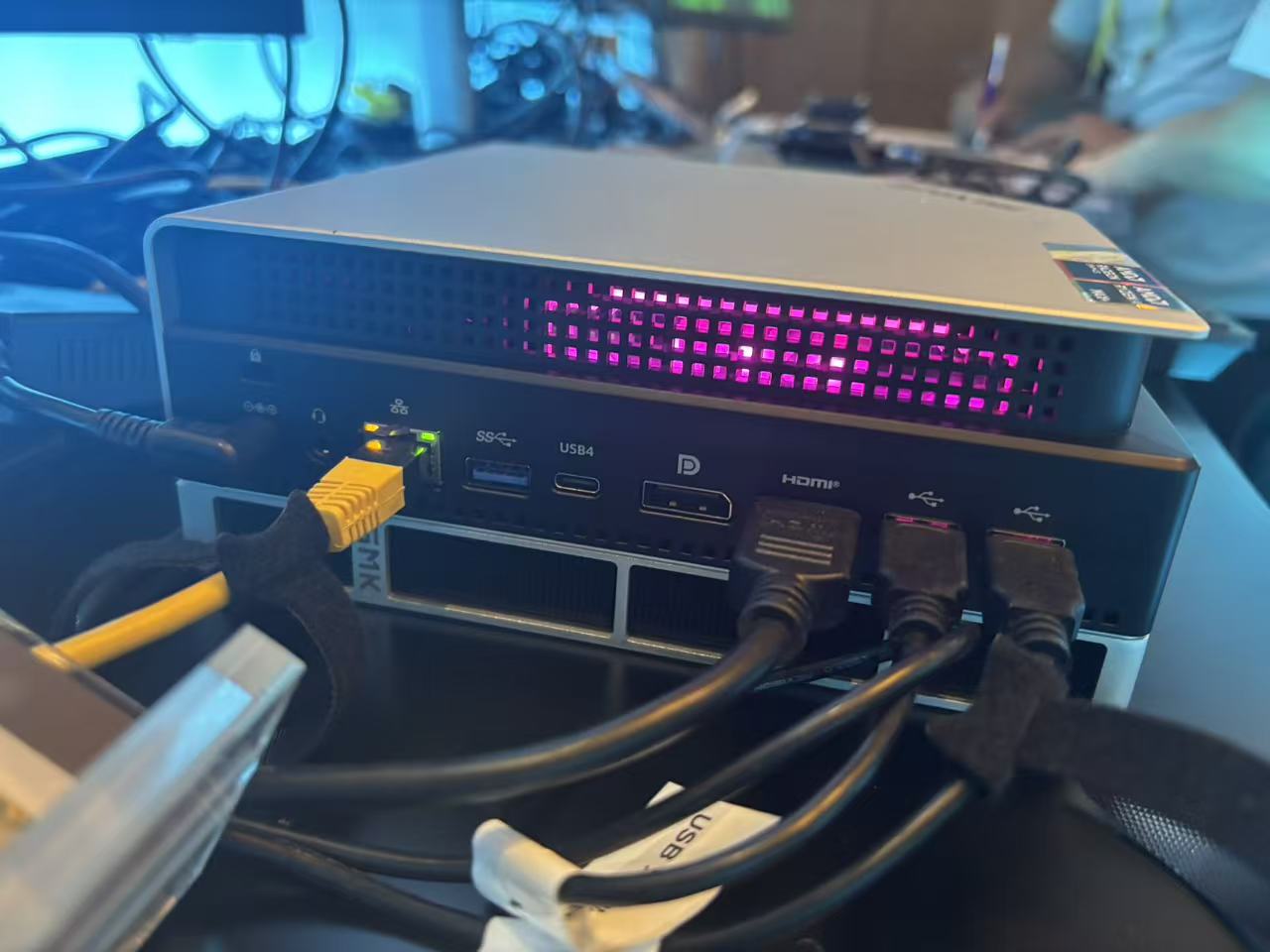
1. Industry Background: Core Technical Challenges in Semiconductor Vacuum Chamber Monitoring
High-end semiconductor processes such as thin-film deposition, dry etching, ion implantation, and wafer cleaning rely entirely on high-vacuum sealed chambers. Vacuum chambers are core precision components of semiconductor equipment. Any drift in internal vacuum level, uneven temperature, mechanical vibration, or minor leakage can directly lead to uneven wafer deposition, etching deviation, and surface contamination, resulting in batch wafer scrap.
Vacuum chamber state monitoring differs from general industrial acquisition, posing three rigid mass production demands on the main control platform, which are also technical bottlenecks that traditional ARM/X86 architectures cannot overcome:
-
Rigid Demand for Strict Multi-Parameter Timing Synchronization: Requires synchronous acquisition of multiple signals such as vacuum level, chamber temperature, three-axis vibration, gas flow, and residual pressure. All data must be aligned based on the same clock domain; timing misalignment will lead to distorted fault traceability and inability to accurately review process parameters.
-
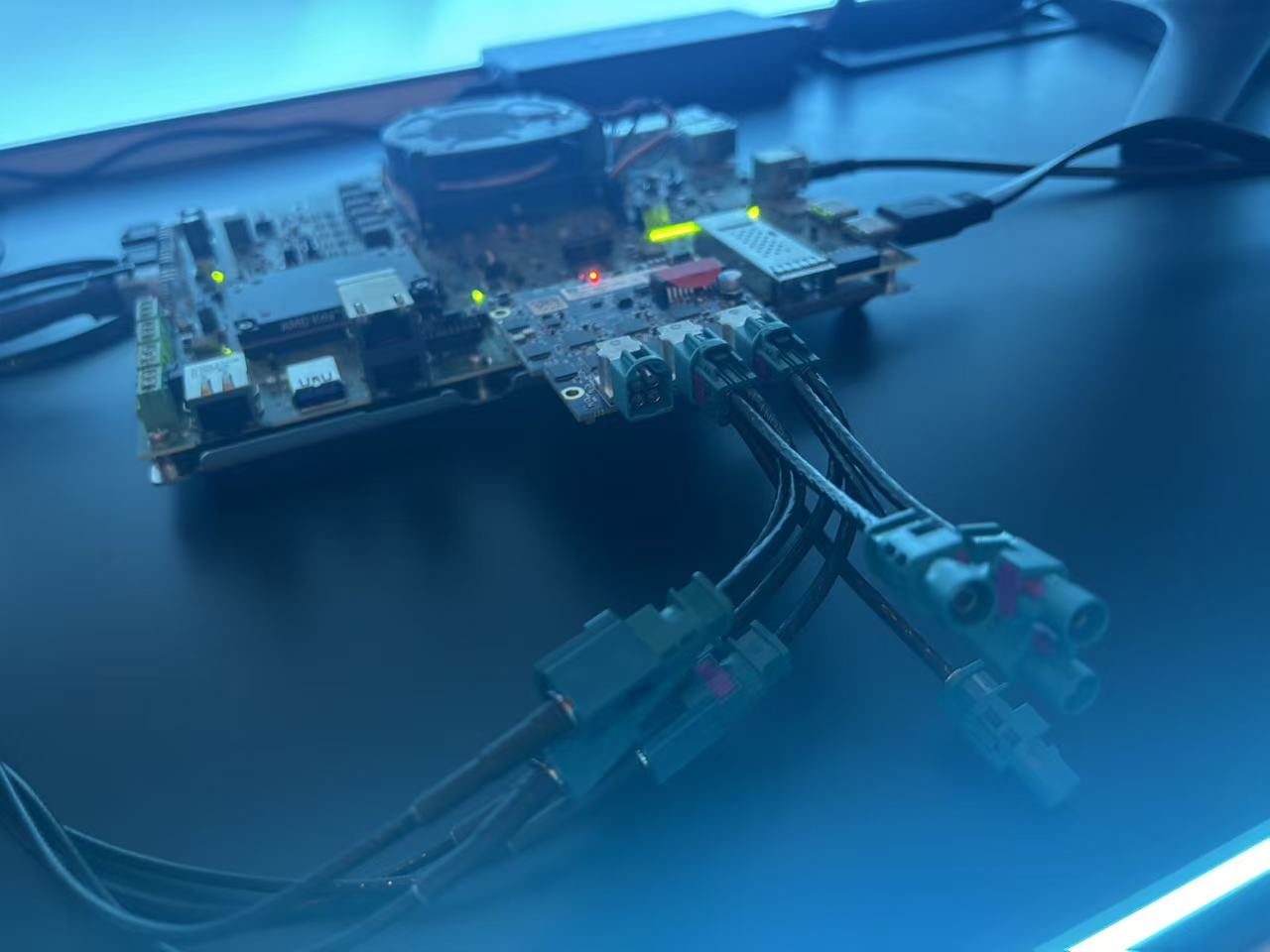
Rigid Demand for High-Frequency Transient Signal Capture: Micro-vibrations, instantaneous leaks, and pressure jumps in the chamber are transient events, short in duration and rapid in change. Low refresh rate acquisition can easily miss critical abnormal data, preventing early prediction of chamber faults.
-
Rigid Demand for High Stability, Anti-Interference, and Long-Term Operation: Cleanroom electromagnetic environments are complex, and equipment operates 24/7. The monitoring system must be free of lag, drift, and packet loss, while also adapting to the 10+ year long lifecycle of semiconductor equipment for mass production.
Currently, the two mainstream traditional monitoring solutions in the industry both suffer from fatal shortcomings and cannot meet the precise monitoring requirements of high-end semiconductor vacuum equipment:
1.1 Core Shortcomings of Pure ARM Monitoring Solutions (Common in Mid-to-Low-End Equipment)
Pure ARM embedded solutions rely on CPU software polling and interrupt triggers for sensor data acquisition, entirely dependent on software scheduling, leading to inherent architectural flaws:
-
Severe Multi-Channel Timing Misalignment: Software polling mechanisms cannot achieve parallel acquisition, resulting in millisecond-level timestamp deviations between sensor channels. Multi-parameter data cannot be precisely aligned, making fault traceability qualitative rather than quantitative.
-
High Missed Acquisition Rate for Transient Signals: ARM system scheduling involves task preemption and delay jitter, making high-frequency vibrations, instantaneous pressure jumps, and other transient signals highly susceptible to loss, thus failing to capture early minor chamber anomalies.
-
Data Lag and Packet Loss under High Load: When multiple sensors report simultaneously, CPU computational power is saturated, leading to data buffer overflow and frame loss during sampling, resulting in poor long-term operational stability.
-
Lack of Hardware Feature Extraction Capability: All data filtering, peak calculation, and anomaly detection rely on software computation, leading to poor real-time performance, high computational overhead, and inability to achieve front-end real-time early warning.
1.2 Core Shortcomings of X86 Industrial PC + External Acquisition Card Solutions (Traditional for High-End Equipment)
Some high-end vacuum equipment uses an X86 industrial PC + PCIe multi-channel acquisition card architecture. While capable of multi-parameter acquisition, it suffers from significant industrialization drawbacks, severely hindering domestic and miniaturized upgrades:
-
High Link Interference, Poor Signal Integrity: External PCIe bus and extended cable transmission in complex cleanroom electromagnetic environments are prone to data jitter and zero-point drift, reducing monitoring accuracy.
-
Bulky Architecture, High Cost: The industrial PC + acquisition card stack is bulky, wiring is complex, imported boards are expensive, and supply cycles are restricted.
-
Poor Real-Time Determinism: Windows/Linux are non-real-time operating systems, leading to random delays in data reception, parsing, and detection, making microsecond-level real-time alarming impossible.
-
Short Lifecycle, Frequent Iteration: X86 platforms face hardware iteration and supply discontinuation every 2-3 years, which cannot match the 10+ year service life of semiconductor vacuum equipment, leading to extremely high maintenance and modification costs in the long run.
2. Zynq MPSoC Heterogeneous Architecture: The Optimal Solution for Vacuum Chamber Monitoring
The Zynq UltraScale+ MPSoC, with its PL programmable logic + PS multi-core ARM (A53+R5F) single-chip heterogeneous fusion architecture, fundamentally addresses the core pain points of pure ARM timing misalignment and bulky X86 architectures. Through a layered collaborative model of FPGA hardware parallel acquisition, R5F hard real-time detection, and A53 intelligent business management, it perfectly adapts to the precise monitoring scenarios of semiconductor vacuum chambers, which demand multiple parameters, synchronization, high frequency, and high stability. It is currently the optimal technical route for upgrading main controllers in domestic vacuum process equipment.
2.1 Dedicated Hardware and Software Layered Collaboration
1. PL Side (FPGA Programmable Logic) — Core for Hardware Synchronous Acquisition and Pre-processing
The PL side operates independently of CPU intervention, building multi-sensor hardware acquisition logic with a unified global synchronous clock to parallelly acquire multiple signals such as vacuum level, temperature, three-axis vibration, and gas flow. Hardware also implements signal filtering, denoising, peak extraction, timing alignment, and anomaly point latching, performing lightweight processing of raw data. This completely resolves multi-channel timing misalignment issues and ensures data consistency and integrity at the hardware level.
2. R5F Real-Time Core — Core for Hard Real-Time Anomaly Monitoring and Alarming
The independent Cortex-R5F hard core runs bare-metal, without relying on Linux system scheduling. It is responsible for real-time threshold comparison, transient anomaly detection, precise latching of fault times, and emergency alarm output. It responds to abnormal conditions such as sudden chamber pressure drops, vibration exceeding limits, and temperature drift with microsecond-level latency, eliminating alarm delays caused by software system lag and ensuring process equipment safety.
3. A53 Application Core — Core for Data Traceability and Business Management
The multi-core Cortex-A53 runs the Linux system, responsible for batch data storage, process curve plotting, fault log archiving, HMI interaction, cloud data upload, and process parameter review and analysis. It supports long-term data traceability and equipment health assessment, balancing functional extensibility with intelligent management capabilities.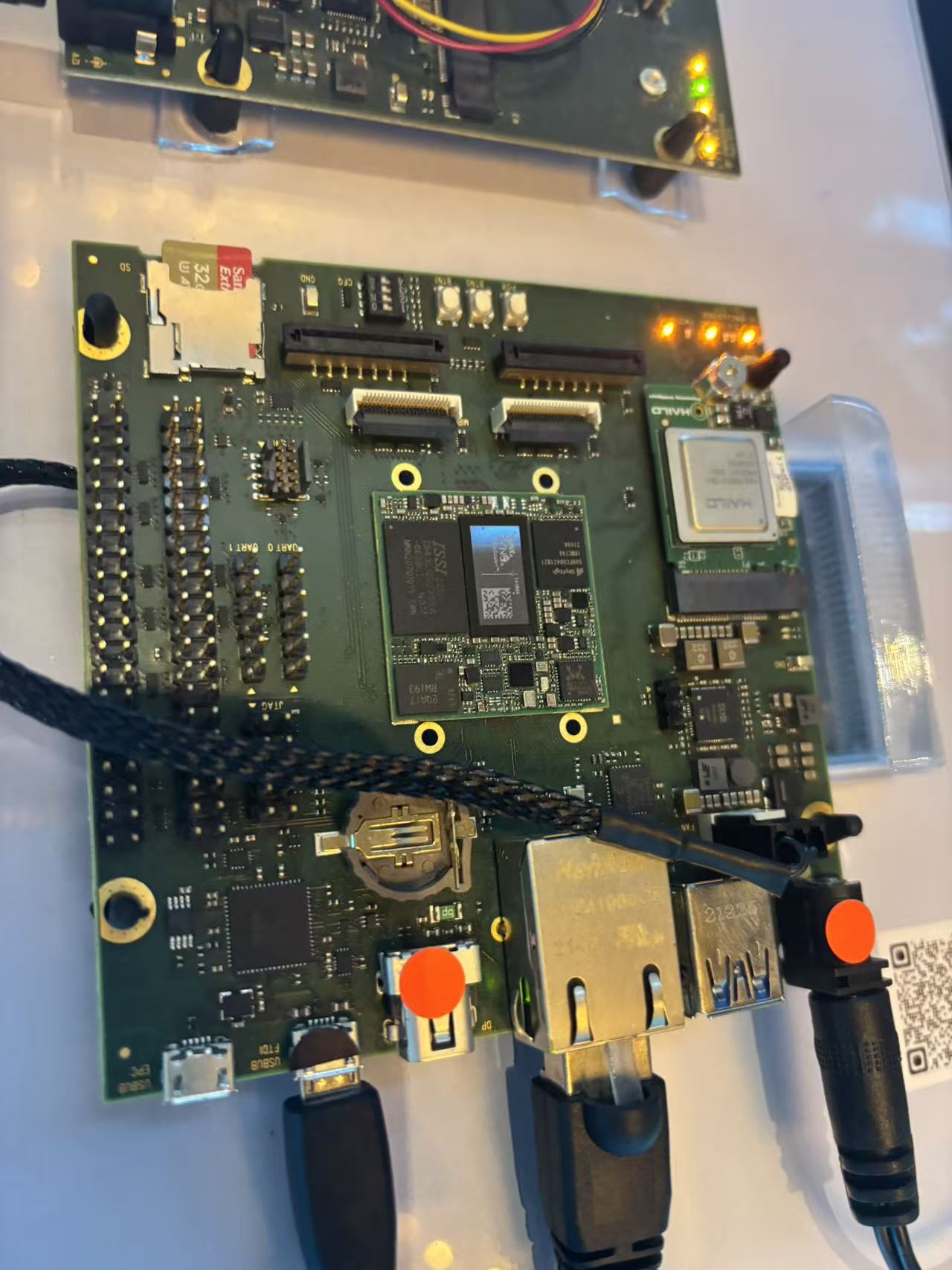
2.2 Core Differentiated Advantages: MPSoC VS Pure ARM / X86
A structured comparison of the core differences between the three architectures precisely highlights the irreplaceable nature of Zynq MPSoC in semiconductor vacuum monitoring scenarios:
-
Crushes Pure ARM | Hardware Parallel Synchronization, Solves Timing Misalignment Pain Point: Pure ARM can only perform software serial polling, leading to large multi-parameter timing deviations; MPSoC's PL side performs hardware parallel acquisition, with all channels triggered by a common clock source, improving timing alignment precision by hundreds of times, perfectly meeting process traceability timing requirements.
-
Crushes X86 | Single-Chip Integration, Solves Bulky Interference Pain Point: Eliminates the PCIe external acquisition card split architecture, using on-chip AXI high-speed zero-copy transfer, free from external cable interference, significantly improving signal stability, while offering significant advantages in equipment miniaturization and low power consumption.
-
General Hard Real-Time Advantage | Eliminates Missed Acquisitions and Alarms: PL hardware transient signal capture + R5F microsecond-level detection, without system scheduling jitter, can precisely capture millisecond-level instantaneous anomalies, predicting hidden faults such as chamber leaks, structural loosening, and pressure drift in advance.
-
Mass Production Long-Term Advantage | Adapts to Semiconductor Long-Lifecycle Equipment: Industrial-grade wide-temperature operation, 15+ years of ultra-long supply, perfectly matches the decade-long service life of vacuum process equipment, solving the mass production challenges of X86 iteration discontinuation and poor industrial stability of consumer-grade ARM.
3. Vacuum Chamber Monitoring System Solution and Hardware Resource Configuration
3.1 Core Hardware Resource List (Directly Reusable for Engineering)
This solution is suitable for a full range of semiconductor etching, deposition, and cleaning vacuum chamber equipment. The hardware configuration is standardized and can be directly deployed for mass production:
-
Main Control Chip: Xilinx Zynq UltraScale+ MPSoC (ZU3/ZU4) industrial-grade wide-temperature models
-
Acquisition Sensors: Vacuum pressure sensor, PT100 temperature sensor, three-axis IEPE vibration sensor, gas flow sensor
-
Sampling Architecture: PL-side hardware parallel ADC acquisition, global synchronous clock, channel timing alignment precision <1μs
-
Pre-processing Resources: On-chip FIFO buffer + hardware FIR filter + peak feature extraction IP core
-
Operating Architecture: R5F bare-metal real-time monitoring and alarming, A53 Linux data services and traceability analysis
-
External Interfaces: Gigabit Ethernet, 485 serial port, local storage, cloud upload interface
3.2 Overall Three-Layer Heterogeneous System Architecture
This solution adopts a three-layer heterogeneous architecture: "PL hardware acquisition and pre-processing layer + R5F real-time monitoring and alarming layer + A53 data services layer," covering the entire process of vacuum chamber state monitoring, anomaly detection, and data traceability:
First Layer: PL Hardware Multi-Parameter Synchronous Acquisition and Pre-processing Layer
Based on FPGA programmable logic, multiple independent sensor acquisition IP cores are built. All channels share the same hardware clock domain, enabling parallel synchronous sampling of vacuum level, temperature, vibration, and flow signals. Hardware performs multi-stage noise reduction, mean filtering, abnormal peak latching, and timing alignment, pre-filtering invalid noise data and pushing only valid feature data to the PS side. This significantly reduces the computational pressure on the upper layers and fundamentally solves multi-parameter timing misalignment and transient signal missed acquisition issues.
Second Layer: R5F Hard Real-Time Fault Detection and Alarming Layer
The R5F independent real-time core loads the process threshold model and performs microsecond-level threshold comparison on the real-time data uploaded from the PL, precisely identifying fault states such as chamber pressure drift, temperature out of tolerance, abnormal vibration, and minor leakage. Upon detecting an anomaly, it immediately triggers a local alarm, latches fault timing data, and simultaneously pushes anomaly information to the A53 core, achieving early fault detection and early warning to prevent batch process defects.
Third Layer: A53 Intelligent Data Traceability and Business Layer
The A53 core is responsible for overall equipment business management, including real-time data curve rendering, historical log storage, fault classification statistics, process parameter review, HMI interaction, and cloud data upload. It supports long-term operating condition data traceability, helping process engineers locate hidden problems such as chamber aging, sensor drift, and mechanical loosening of equipment, thereby enabling a shift from reactive to predictive maintenance.
3.3 Core Key Technology Highlights
1. Multi-Sensor Hardware Time-Synchronized Alignment Technology
Addressing the widespread problem of multi-parameter timing misalignment in the industry, this solution builds a global synchronous clock tree on the PL side. All sensor acquisition, data sampling, and timestamp marking are based on the same clock reference, completely eliminating timing deviations caused by software polling. Multi-channel data synchronization precision is stably controlled within 1μs, meeting the precise traceability requirements of semiconductor processes.
2. Hardware Latching Mechanism for Transient Anomaly Signals
Traditional solutions are highly prone to losing short-duration transient faults. This solution utilizes FPGA's high-speed parallel processing capabilities to monitor signal sudden changes in real-time. Once a sudden pressure change or excessive vibration peak is identified, the hardware immediately latches the complete waveform and timestamp at the fault moment, without CPU intervention, ensuring that every minor anomaly is precisely captured, with no missed acquisitions or omissions.
3. Software and Hardware Layered Offloading Architecture
Time-consuming and highly repetitive algorithms for filtering, denoising, and feature extraction are offloaded to the PL hardware. The R5F focuses on real-time detection, and the A53 focuses on business traceability. The three layers have clear divisions of labor and do not interfere with each other. Compared to pure ARM solutions, CPU utilization is reduced by over 85%, ensuring long-term system operation without lag or packet loss.
4. Industrial-Grade Anti-Interference Data Transmission Design
Leveraging MPSoC's on-chip AXI zero-copy transfer, external bus electromagnetic interference is avoided. Simultaneously, the PL-side hardware's multi-stage filtering adapts to complex cleanroom electromagnetic environments, effectively suppressing signal noise caused by power fluctuations and equipment startup/shutdown, ensuring long-term stable and drift-free monitoring data.
3.4 Engineering Development Pitfalls to Avoid (Practical Insights)
Based on experience from deploying multiple sets of semiconductor chamber monitoring equipment, we have compiled 4 common engineering pitfalls and optimal solutions to avoid rework and on-site debugging issues:
-
Pitfall 1: Data misalignment due to mismatched multi-sensor sampling frequencies: Different types of sensors have vastly different sampling rates, easily leading to data frame misalignment. Solution: The PL side employs a multi-rate frequency division synchronization mechanism with unified timestamp marking. Low-speed data is interpolated for alignment, and high-speed data is downsampled for adaptation, ensuring complete synchronization of multi-parameter data.
-
Pitfall 2: FIFO overflow and packet loss due to high-speed data stream bursts: Data volume surges during transient chamber anomalies, and slow PS reading can easily lead to frame loss. Solution: Configure a tiered FIFO buffer + threshold interrupt mechanism. Hardware automatically buffers burst data and uploads it at a segmented, uniform speed, completely resolving data overflow issues.
-
Pitfall 3: Linux high load preempting resources affecting real-time monitoring: When the A53 core is under high load, it preempts bus resources, slightly affecting real-time detection. Solution: Real-time acquisition, anomaly detection, and alarming logic are completely offloaded to PL/R5F. The A53 only handles backend services, completely isolating real-time and non-real-time tasks.
-
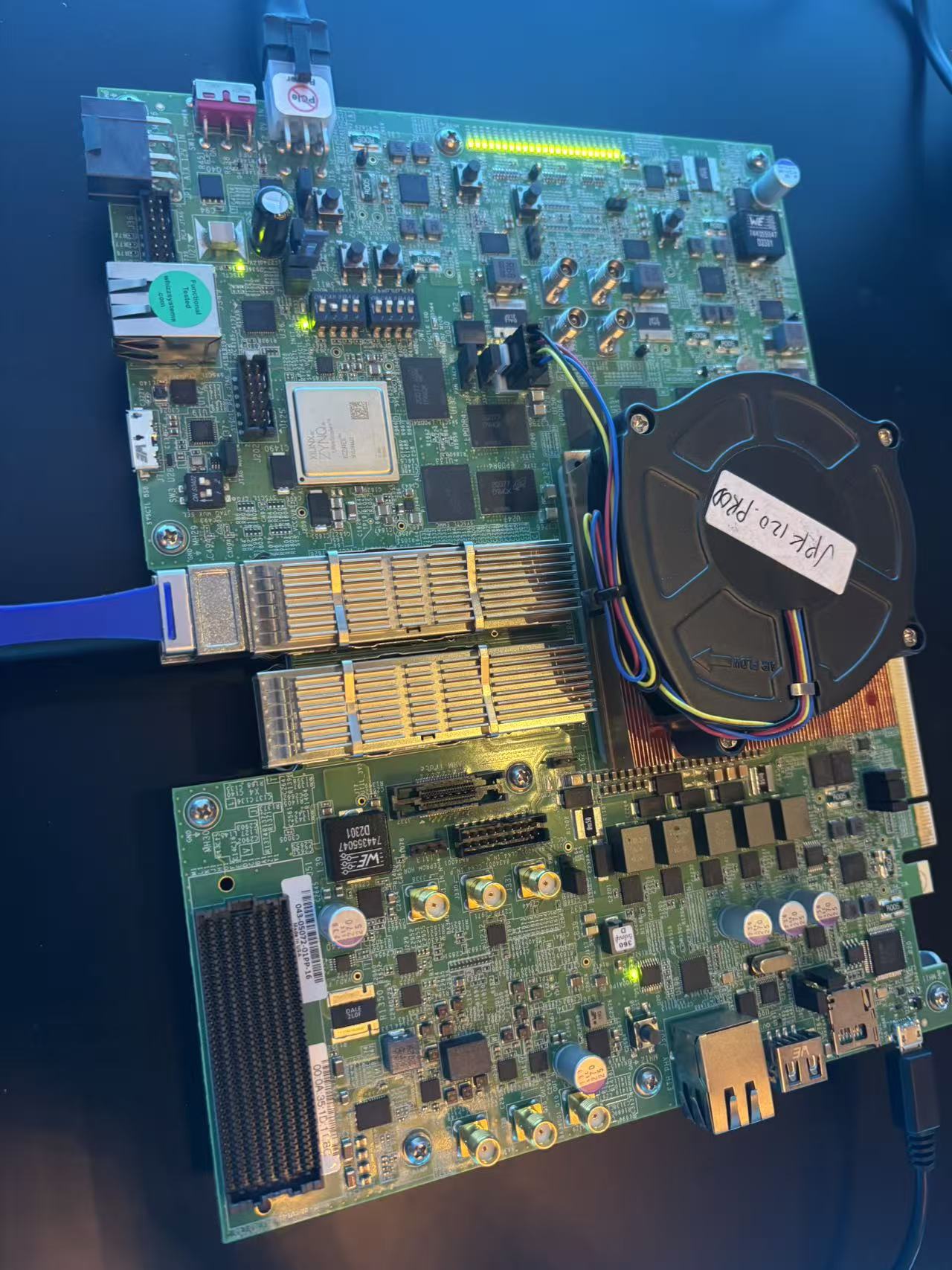
Pitfall 4: Sensor zero-point drift during long-term operation: Cleanroom temperature changes and electromagnetic interference cause sensor zero-point shifts, reducing monitoring accuracy. Solution: The PL side integrates hardware dynamic zero-point calibration logic, performing automatic calibration periodically to ensure stable long-term monitoring accuracy 24/7.
4. Three Solutions Real-World Performance Comparison (MPSoC VS ARM/X86)
Based on a standard semiconductor vacuum chamber monitoring scenario, equipped with the same sensors and anomaly detection algorithms, pure ARM, X86 industrial PC + acquisition card, and Zynq MPSoC solutions underwent 72 hours of continuous full-load testing. The quantitative comparison of core performance indicators is as follows:
Test Metric
Pure ARM Monitoring Solution
X86 + PCIe Acquisition Card Solution
Zynq MPSoC Heterogeneous Solution
Multi-channel Timing Synchronization Error
≥3ms (Severe Misalignment)
≤50μs
≤1μs
Transient Anomaly Missed Acquisition Rate
15%~25% (Significant Missed Acquisitions)
3%~5%
0% (Hardware Latching, No Omissions)
Alarm Response Delay
20~50ms (Severe Lag)
5~10ms
≤1ms (Hard Real-Time Response)
72h Continuous Operation Packet Loss Rate
Frequent Packet Loss under High Load
Occasional Packet Loss
0 Packet Loss
Total Machine Power Consumption
25W
180W+
≤60W
Equipment Integration Level
High (Insufficient Performance)
Low (Bulky, Split)
Extremely High (Single-Chip Integrated)
Long-Term Supply Cycle
Around 5 years
2~3 years, Iteration Discontinuation
15 years+ Industrial-Grade Long Supply
Data Conclusion Interpretation:
-
Timing Precision: MPSoC compresses multi-parameter synchronization error to microsecond level, completely solving the timing misalignment problem of pure ARM, providing data support for precise process fault traceability.
-
Reliability: The hardware latching mechanism achieves zero missed acquisitions and zero packet loss, and alarm response speed far exceeds traditional solutions, allowing for early prevention of batch scrap caused by chamber process anomalies.
-
Industrialization: Compared to X86 solutions, power consumption is significantly reduced, equipment miniaturization is maximized, and it offers a 15-year long-term supply cycle, perfectly meeting the long-term mass production and domestic substitution needs of semiconductor equipment.
5. Engineering Deployment Value and Solution Summary
Semiconductor vacuum chambers are the core carriers of process yield. Traditional monitoring solutions suffer from low precision, poor synchronization, and high missed acquisition rates, unable to support stable production of high-end precision processes. Meanwhile, imported X86 split architectures are costly, rely on external procurement, and iterate quickly, hindering the upgrade and iteration of domestic semiconductor equipment.
The ARM+FPGA heterogeneous multi-parameter monitoring solution based on Zynq MPSoC, through its layered collaborative architecture of FPGA hardware synchronous acquisition and pre-processing, R5F microsecond-level hard real-time alarming, and A53 intelligent data traceability, achieves three core deployment values:
-
Precise Process Yield Assurance: Microsecond-level multi-parameter timing synchronization and zero-missed transient monitoring precisely capture minor chamber anomalies, providing early warning of process risks, and effectively reducing wafer scrap rates.
-
Cost Reduction and Efficiency Improvement for Domestic Equipment: Single-chip integration replaces the X86 + acquisition card split architecture, simplifying hardware design, reducing BOM and maintenance costs, and comprehensively optimizing equipment volume, power consumption, and fault rate.
-
Predictive Maintenance Deployment: Long-term high-precision data traceability enables precise analysis of hidden problems such as chamber aging, sensor drift, and mechanical loosening, upgrading from reactive repair to proactive predictive maintenance.
5.1 Reusable Deployment Scenarios for the Solution
-
State monitoring for vacuum chambers in semiconductor etching machines, deposition machines, and ion implanters
-
Multi-parameter synchronous acquisition and fault early warning systems for precision vacuum process equipment
-
Integrated temperature, vibration, and pressure monitoring equipment for industrial sealed chambers
-
Domestic upgrade projects replacing traditional ARM acquisition boards and X86 industrial control acquisition solutions
-
Semiconductor equipment operating condition data traceability and predictive maintenance platforms
6. Technical Iteration Direction and Series Preview
We will continue to update this practical series with content on: Zynq MPSoC multi-sensor synchronous acquisition IP core development, practical hardware filtering algorithms on the PL side, R5F real-time alarm logic configuration, deployment of AI recognition models for chamber faults, and optimization of large-scale monitoring data storage and traceability, helping developers quickly deploy domestic semiconductor precision monitoring projects.
Sienovo provides ARM+FPGA+AI R&D and production services.
Like, collect, and follow! We will continue to update practical dry goods in the Zynq MPSoC semiconductor equipment localization series. Welcome to discuss vacuum monitoring and multi-parameter synchronous acquisition development issues in the comments section!