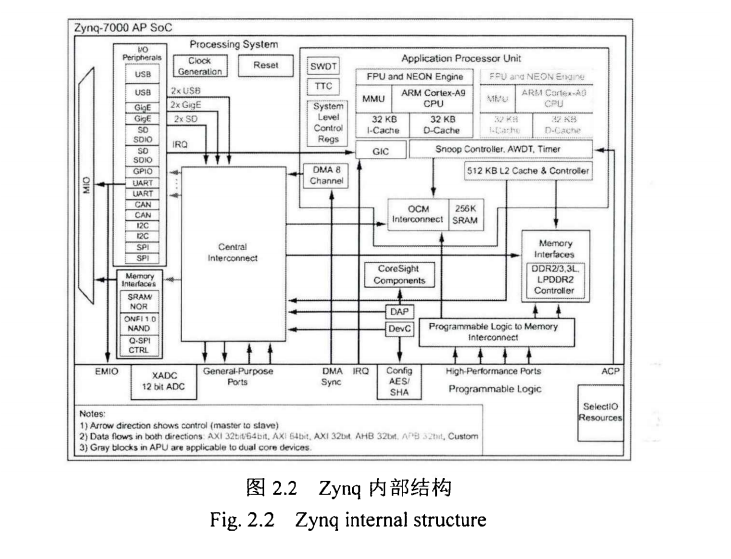
Design of a ZYNQ-based Marine Data Analyzer

1、 Application Background
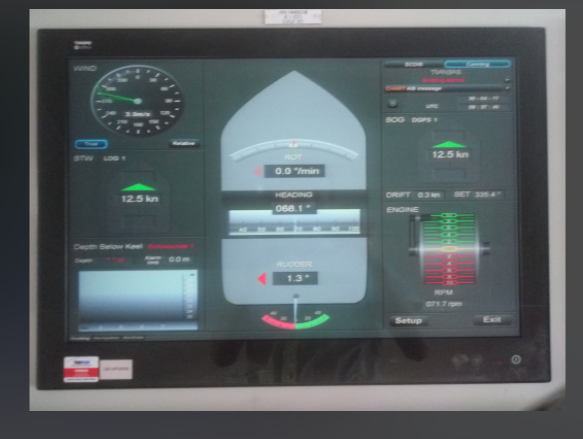
The shipborne black box is a common name for a Voyage Data Recorder (VDR) or Simplified Voyage Data Recorder (SVDR), abbreviated as VDR or SVDR. It is designed to assist in subsequent accident investigations by safely and recoverably preserving all navigational information for a period before and after a maritime incident. The volume of this navigational data is very large, creating an urgent need for large-capacity data storage solutions. Traditional storage solutions based on USB drives, hard drives, and SD/MMC cards, while capable of large-capacity data storage, are unsatisfactory in terms of system size, cost, power consumption, reliability, and ease of use. Therefore, there is an urgent need for a large-capacity, high-reliability data storage solution that offers lower cost, power consumption, and size.

2、 Successful Cases
Core components for underwater data acquisition equipment
Core hardware and operating system for shipborne black box recording equipment
Information query systems for public safety, public transportation, etc.
3、 System Architecture
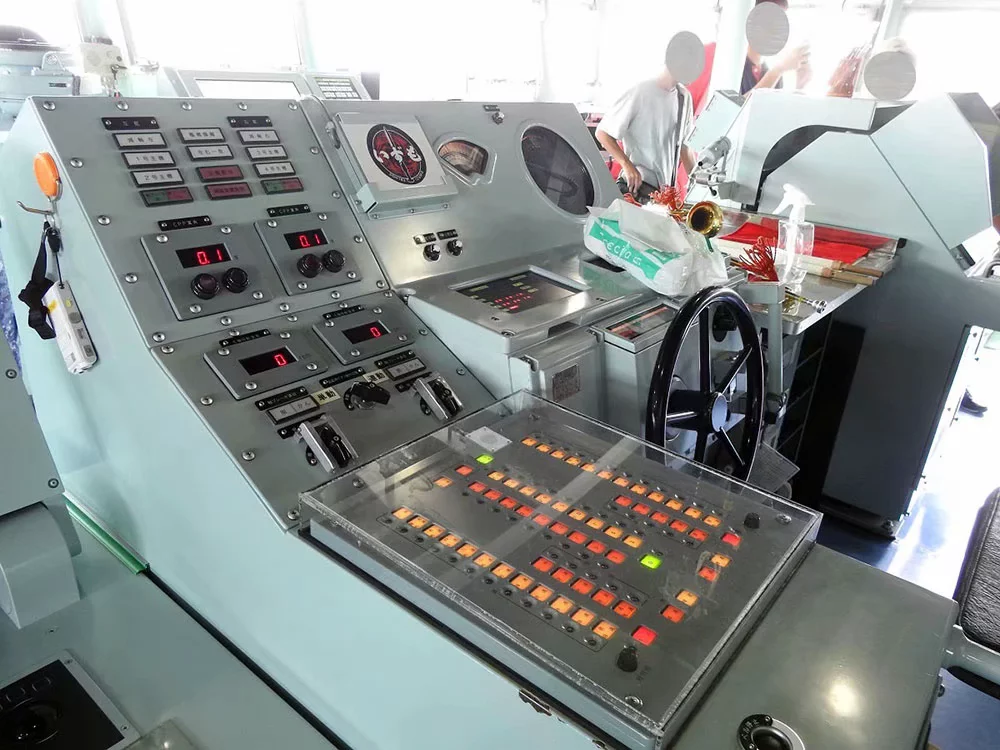
A shipborne black box is a complete system, including data processing, encoding, data interfaces, recording media, power supply, dedicated backup power, and related components. Shipborne black boxes use special materials similar to those in aircraft black boxes, offering resistance to pressure, seawater corrosion, and high temperatures, to ensure that relevant data is not lost in harsh environments.
The core hardware and operating system components of a shipborne black box recording device include a dedicated ARM computer board for data recording and transmission, capable of providing IDE hard drive interfaces, 10/100M Ethernet interfaces, and monitoring/debugging interfaces. The software provides an embedded Linux operating system, ultimately enabling read/write access to the hard drive within the ARM computer via Ethernet.
4、 System Advantages
Compared to traditional embedded data storage systems, this solution utilizes a high-performance 32-bit embedded microprocessor based on the ARM architecture, combined with large-capacity chip-level storage media, to achieve high-performance, high-reliability, large-capacity data storage.
The embedded operating system plays a crucial role in the system. Leveraging the powerful capabilities of a high-performance embedded operating system, this solution supports various common file systems, facilitating data migration. Furthermore, the embedded operating system also implements automatic management of storage media, automatic error correction, wear-leveling algorithms, and more, ensuring high reliability of stored data.