RK3588 Cluster Server Performance Optimization Cases: Power Grid Inspection, Cloud Phone, and Industrial Quality Inspection Clusters
The following are real-world RK3588 cluster performance optimization cases and technical solutions, covering three major fields—industrial quality inspection, power grid inspection, and cloud phones—all achieving significant performance improvements:
🏭 **I. Industrial Quality Inspection Cluster Optimization (Semiconductor Defect Detection)**
- Scenario Pain Points: Traditional Celeron solutions offered micro-defect recognition accuracy of only 0.1mm² and a detection speed of 80 times/second, failing to meet the demands of precision electronics production lines5.
- Optimization Scheme:
- Heterogeneous Collaborative Scheduling: The CPU handles sensor data acquisition, while the NPU is dedicated to running the quantized YOLOv5 model (INT8 precision), achieving 0.01mm² micro-solder joint defect recognition57.
- Zero-Copy Pipeline: By using the
rknn_set_io_memAPI, camera data is directly streamed to the NPU, avoiding CPU overhead for data transfer and reducing single-frame processing latency to 15ms7.
- Performance Improvement:
- Detection speed increased to 200 times/second, processing 50km of production line daily, with a false positive rate of <0.4%.
- Power consumption reduced by 35% (compared to the original Celeron solution)57.
⚡ **II. Power Grid Inspection Cluster Optimization (Outdoor Fault Recognition)**
- Scenario Pain Points: Transmission line environments are complex; traditional solutions could only inspect 25km daily, with a fault recognition rate of less than 90%34.
- Optimization Scheme:
- Dynamic Resolution Scaling: 8K raw video streams are downsampled to 4K in real-time via FFmpeg+RGA hardware, reducing bandwidth usage by 60%1.
- NPU Multi-Core Binding: AI models are split and inferred in parallel across three NPU cores (using the
core_maskparameter for core-specific loading), increasing the frame rate from 40fps to 139fps47.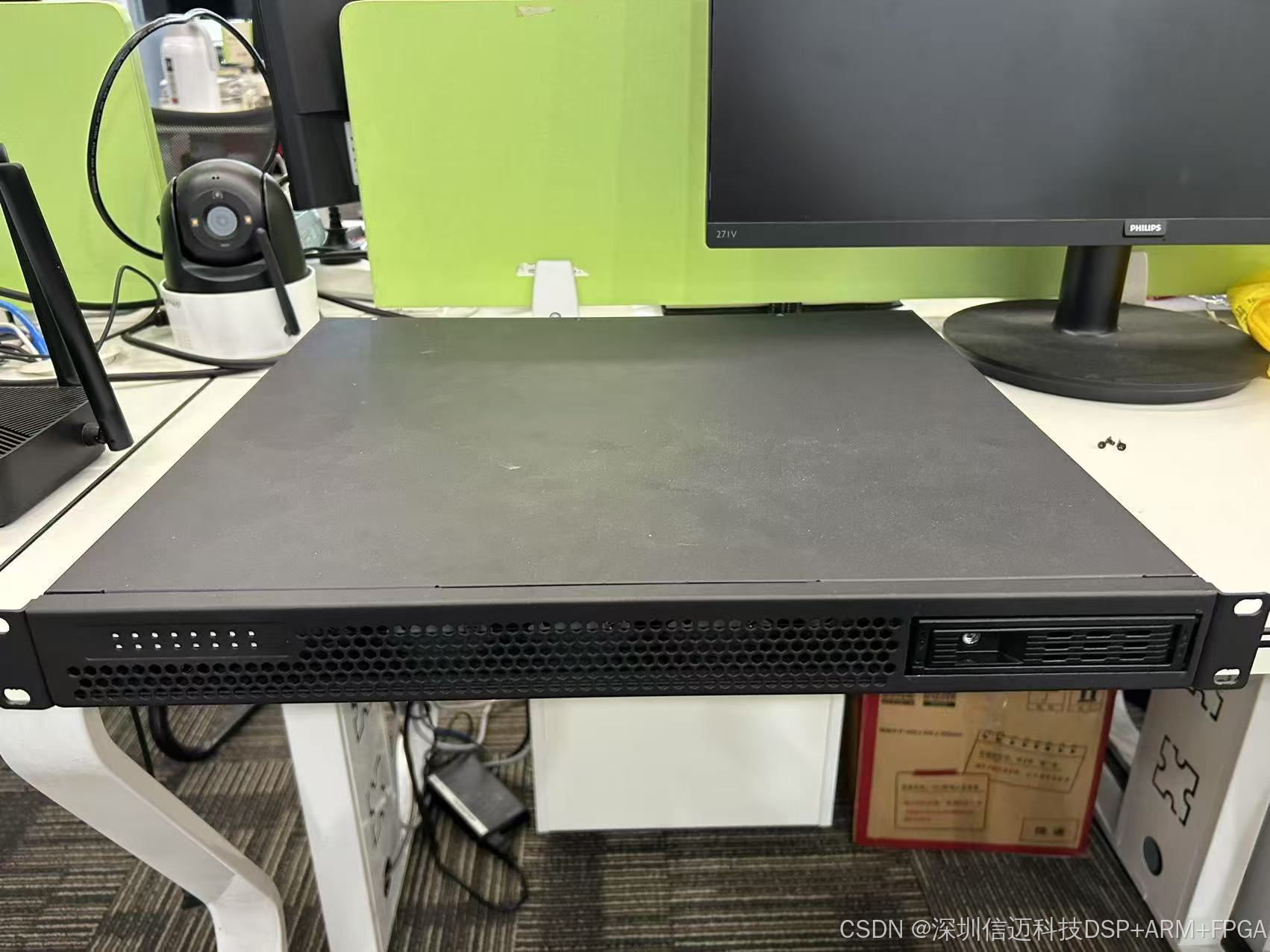
- Performance Improvement:
- Daily inspection length increased to 50km, with a fault recognition accuracy of **99.3%**.
- Wide temperature design (-40℃~85℃) ensures stable operation in outdoor environments, with an 8-hour continuous operation temperature below 45℃34.
📱 **III. Cloud Phone Farm Cluster Optimization (Thousands of Android Instances)**
- Scenario Pain Points: Virtual machine CPU software decoding resulted in game latency >50ms, leading to a choppy user experience17.
- Optimization Scheme:
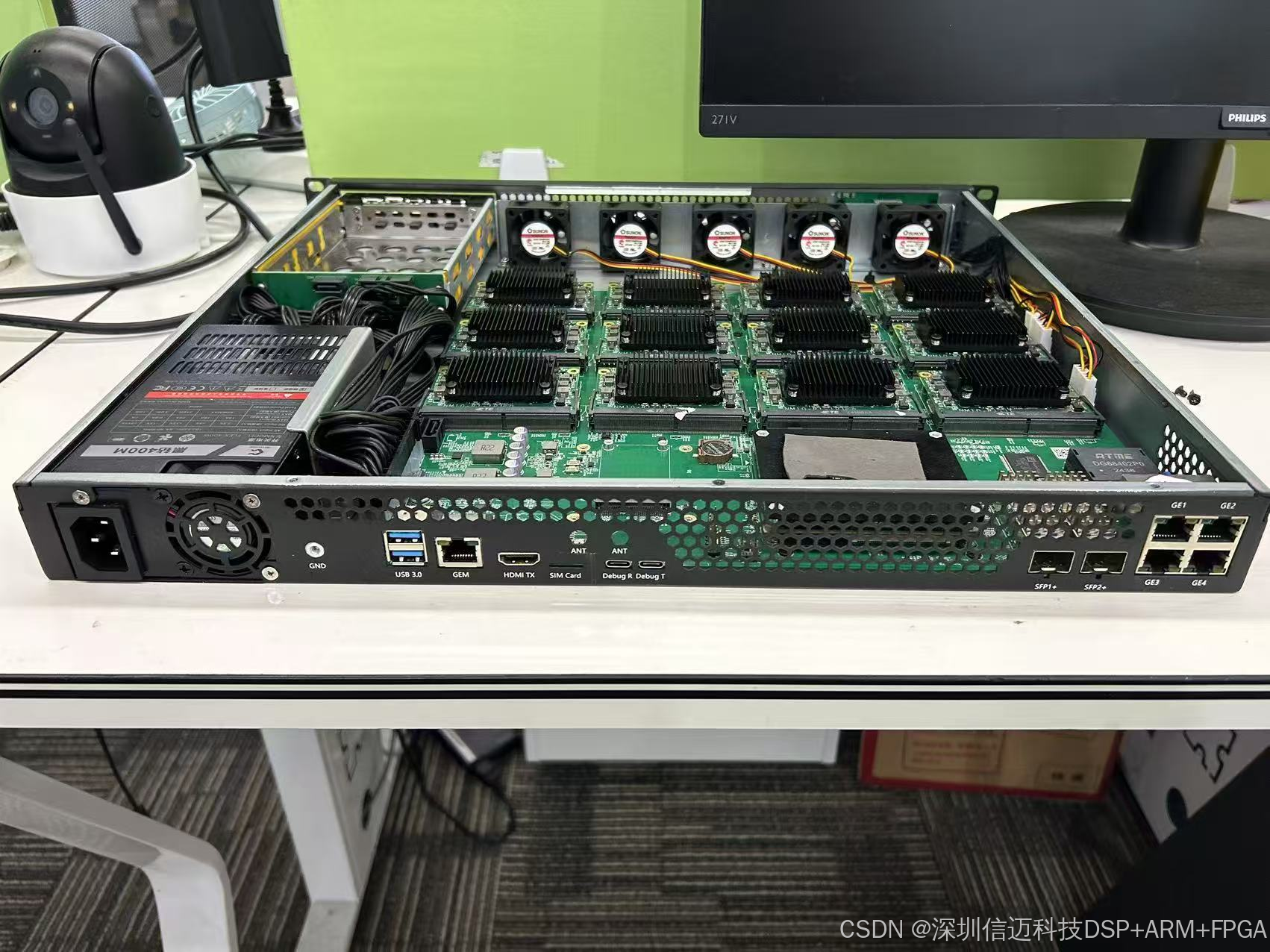
- GPU Hardware Decoding Offload: The Mali-G610 MP4 directly processes video streams, reducing CPU load by 40%17.
- Arm Native Instruction Passthrough: The WayDroid containerization solution reduces virtualization overhead, compressing instruction response latency to milliseconds1.
- Performance Improvement:
- 1080P game latency **<20ms, with single-node power consumption ≤12W**.
- The cluster supports concurrent operation of over a thousand Android instances17.
⚠️ Key Common Optimization Technologies
Technical Approach
Applicable Scenarios
Performance Gain
NPU Multi-Core Binding
High-throughput AI inference
Frame rate increased by 240%7
Zero-Copy Data Transfer
Real-time video processing
End-to-end latency <15ms7
Dynamic Resolution Scaling
Narrow bandwidth environments
Bandwidth usage reduced by 60%1
GPU Hardware Codec
Cloud rendering/Cloud phone
CPU load reduced by 40%+17
The cases above demonstrate that through dedicated hardware resource allocation + optimized data transfer paths + dynamic bitrate control, RK3588 clusters have achieved performance breakthroughs in industrial, energy, and consumer-grade scenarios, while ensuring energy efficiency and stability35.