NI Data Acquisition Card-Based Battery Swelling Deformation Test System
Lithium Battery Swelling Characteristics
During normal use of lithium batteries, swelling and shrinking are inevitable due to electrochemical reactions, thermal expansion and contraction, liquefaction/vaporization, and other factors, leading to bulging after prolonged accumulation.
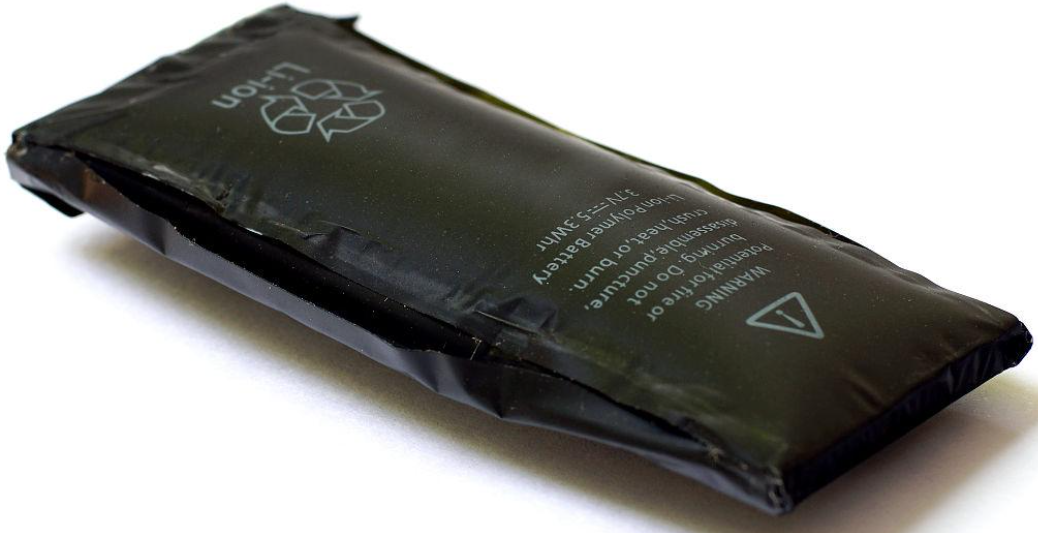
↑Fig: Swollen mobile phone lithium battery packs
Lithium battery swelling is a characteristic that significantly impacts battery performance and safety, including reversible swelling during rapid charging and discharging, and systemic irreversible swelling after long-term use. Swelling during charging and discharging, if exceeding certain limits, can significantly affect battery performance and even pose risks such as fire and explosion. Irreversible swelling caused by long-term use can affect battery lifespan or lead to risks such like electrolyte leakage.
The impact of swelling is particularly pronounced in automotive power batteries because power batteries feature high voltage, high current, high density, and prolonged close proximity to passengers, leading to a greater risk of leakage and fire caused by swelling. Reports of personal safety incidents caused by battery leakage, fire, or explosion are not uncommon.
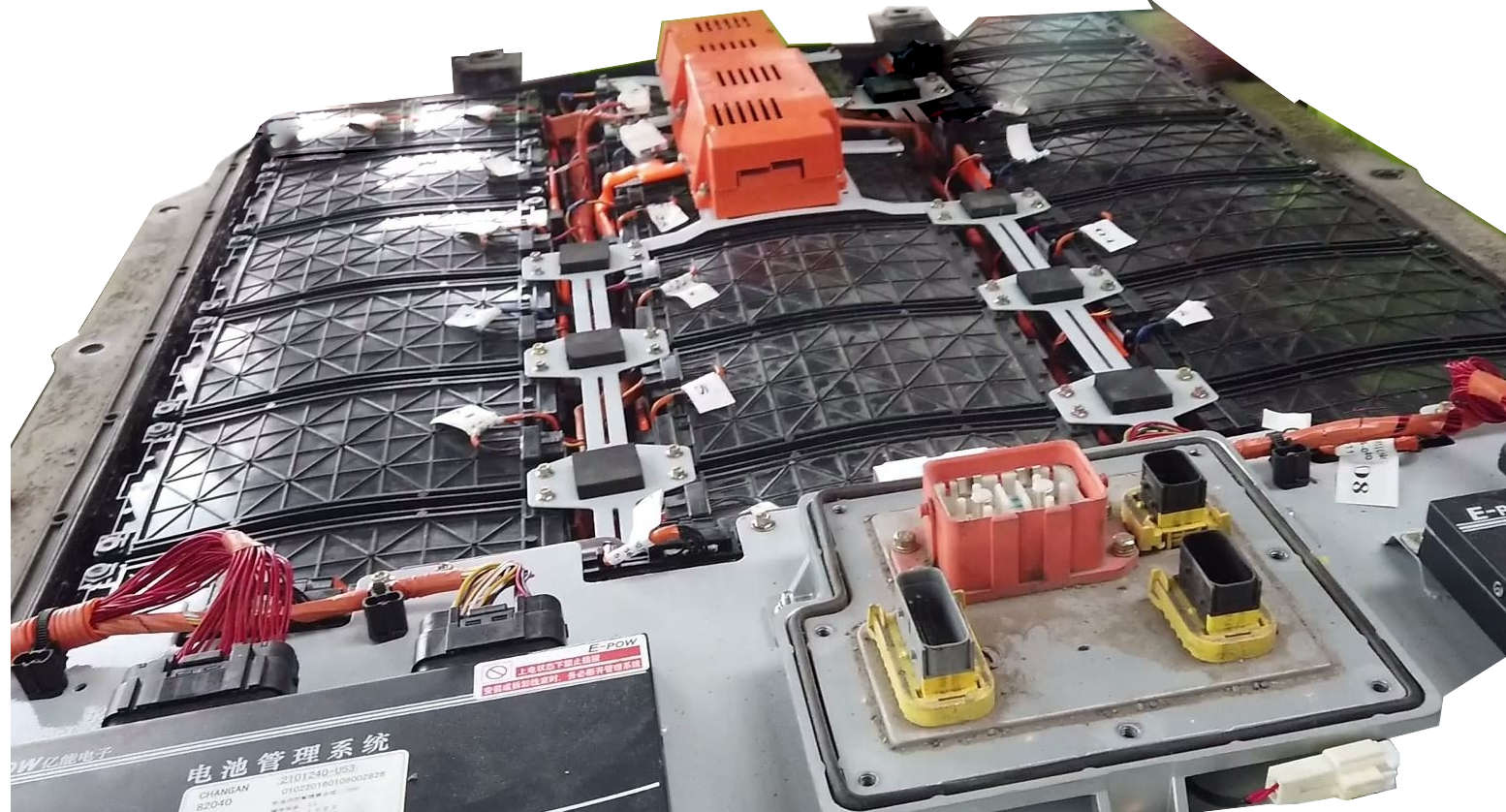
↑Fig: Compression damage and leakage caused by cell swelling within a power battery pack
Lithium Battery Swelling Detection
The classification of battery swelling and its effects are still in the exploratory stage, with major battery manufacturers and electric vehicle manufacturers investing significant effort in related research. For battery swelling testing, five test methods have been introduced, each matched with a specific test equipment. Among these, internal pressure acquisition based on internal gas/liquid pressure test principles, and swelling deformation acquisition based on casing deformation test principles are highly recommended.
Battery Swelling Deformation Test Solution
The independently developed battery swelling deformation detection and analysis equipment is a test device developed based on structural mechanics theory and methods of deformation detection and analysis. This equipment is suitable for measuring the swelling deformation of entire battery pack casings and cell aluminum/steel casings. Its test data can be used to analyze battery casing aging trends based on waveform curves and their trends, calibrate the correlation between comparative force and deformation, and identify hidden damage points based on structural mechanics characteristics. The data can also be converted for model analysis in mechanical analysis software such as Ansys.
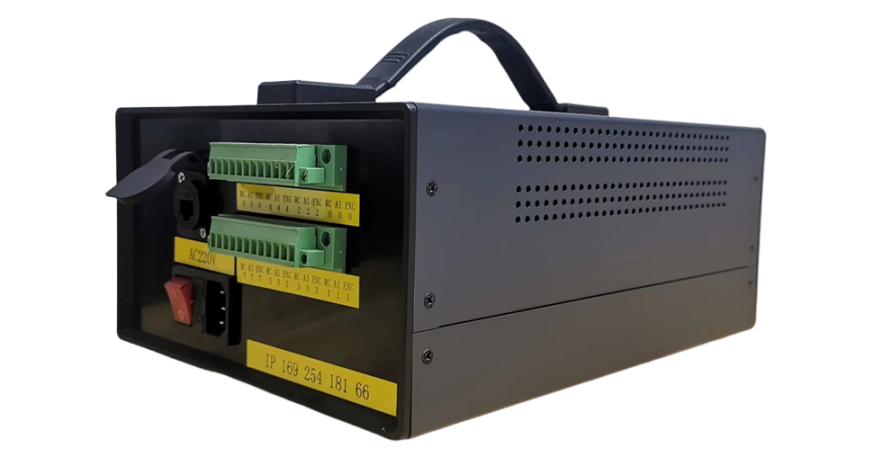
↑Fig: Battery swelling deformation detection and analysis equipment
This equipment utilizes hardware from NI (National Instruments) of the USA and features battery swelling test software independently developed using LabVIEW. It first enables temperature and strain testing, including short-term high-speed tests and long-term stable operation tests lasting over a year. Then, through a series of operations including calibration, standardization, data processing, and data conversion, it performs tests for battery swelling deformation, swelling pressure, and more.
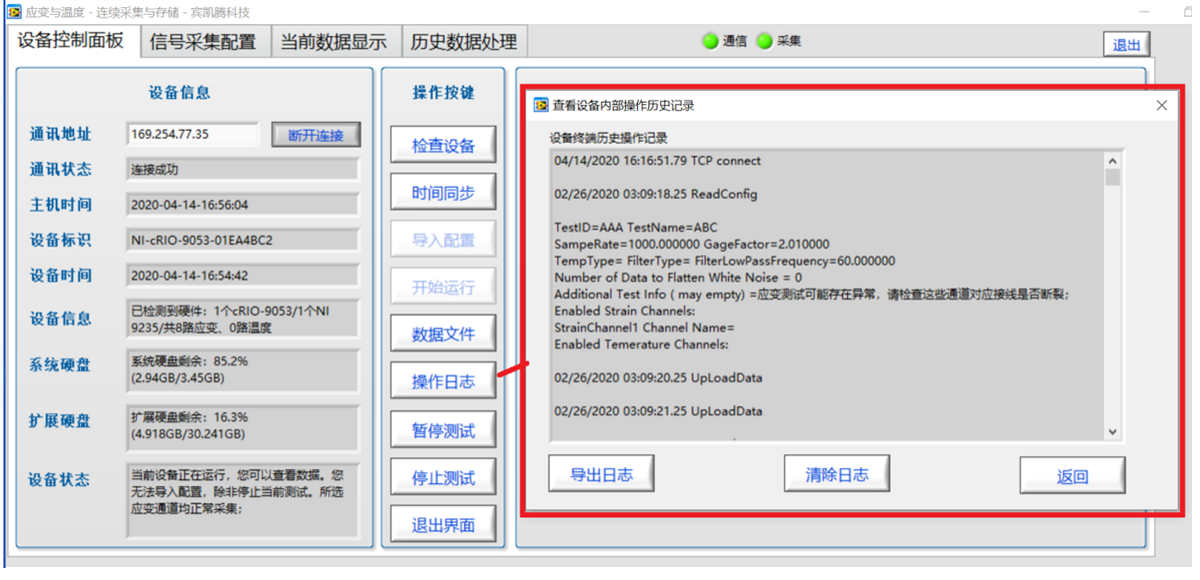
↑Fig: Software configuration interface
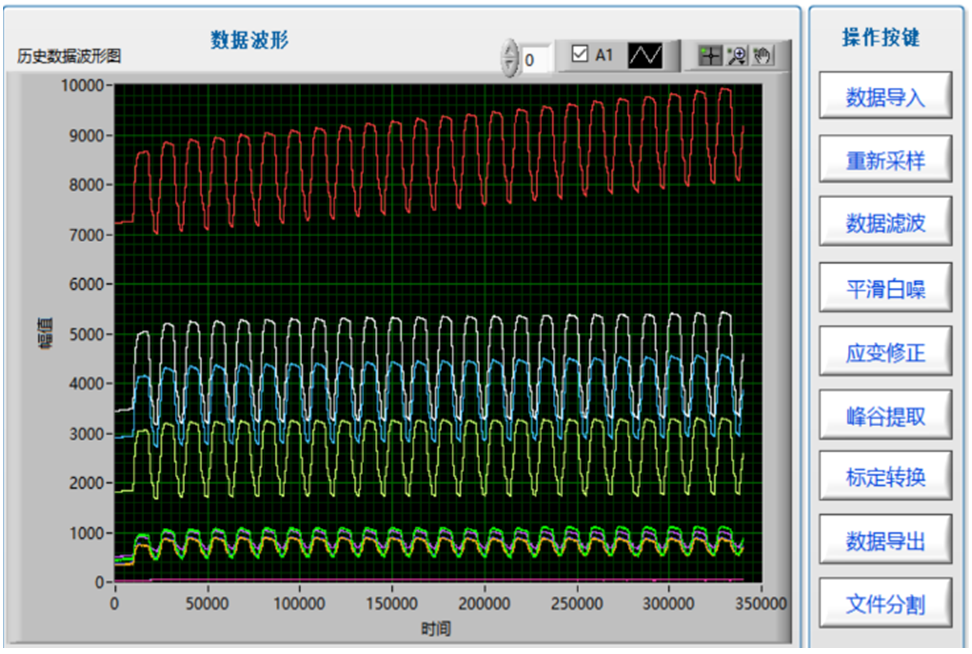
↑Fig: Historical data waveforms
Hardware Composition of the Solution
This equipment is implemented based on NI's CompactRIO platform from the USA. This platform can adapt to harsh experimental environments with high and low temperatures, strong vibrations, and significant impacts. Furthermore, being implemented with an RTOS and FPGA, it offers high real-time performance and stability, allowing for independent, long-term reliable operation. Therefore, the swelling deformation test equipment launched by Sienovo can satisfy both short-term (several days) high-speed testing to observe battery swelling characteristics caused by charging/discharging or vibration, and long-term (several years) use to observe long-term battery swelling characteristics.
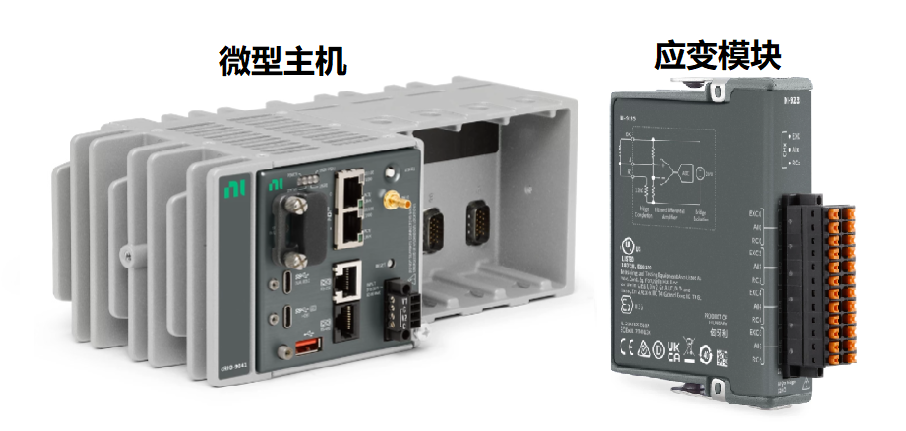
↑Fig: Core hardware composition
Software Features of Sienovo's Solution
Additionally, the test software independently developed using NI LabVIEW allows for one-click calibration of tests, real-time viewing of equipment acquisition status and real-time data, and export of historical data stored by the equipment. It provides various tools for processing historical data, including resampling, filtering, white noise smoothing, temperature correction, peak-valley extraction, file splitting, and more. Calibration and standardization services are available, and a conversion tool is provided to convert strain values into corresponding pressure values.
↑Fig: Data file export
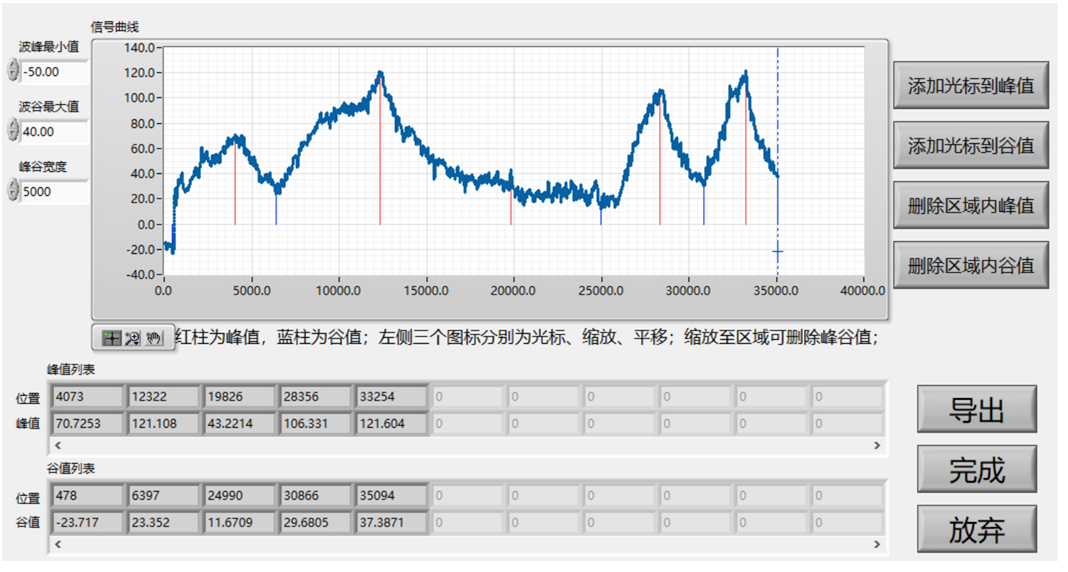
↑Fig: Peak extraction
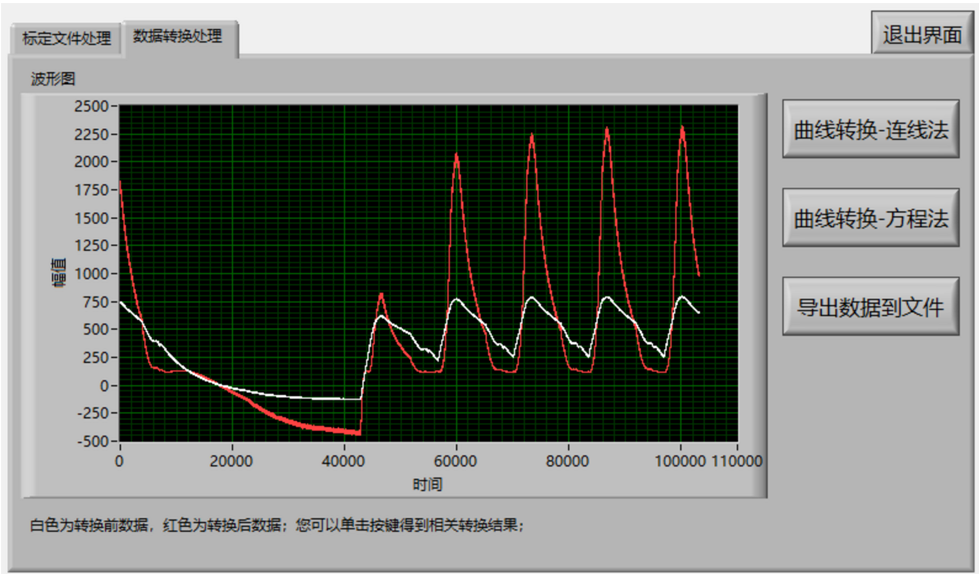
↑Fig: Data model conversion