Vision-Radar Multimodal AI Perception and Positioning System Based on x86 + NVIDIA GPU + FPGA Vision
Solution Introduction
Introducing a vision-radar multimodal perception system that integrates the spatial modeling capabilities of binocular stereo vision with the high penetration detection advantages of radar to build real-time multimodal environmental perception capabilities. Based on a deep learning algorithm engine, it uses neural networks to achieve high-precision visual relocalization, obstacle detection, map construction, and other functions, enabling autonomous positioning without reliance on GPS. It can be applied in intelligent rail transit and auxiliary safety and navigation systems for mobile unmanned vehicles.
Solution Advantages
The Vision-Radar Multimodal AI Perception and Positioning System integrates multi-source data and achieves precise perception and positioning through deep learning algorithms, providing high-precision, high-reliability positioning solutions for rail transit.
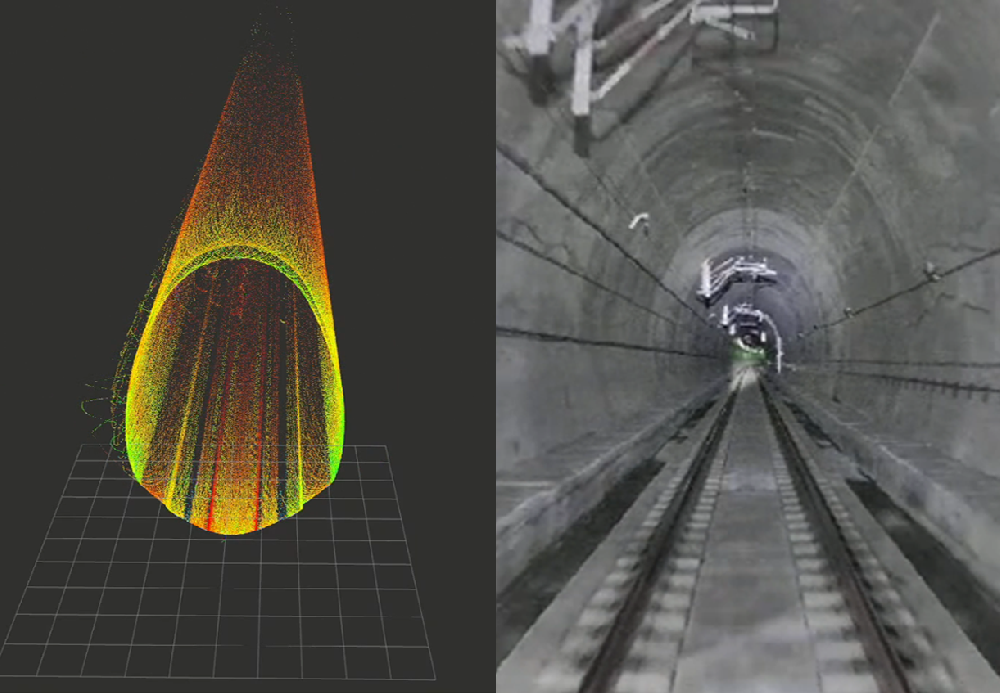
Multi-Dimensional Fusion and Synchronized Positioning
Integrating binocular stereo depth vision with precise radar ranging, the system achieves millisecond-level spatio-temporal data synchronization, building multi-dimensional environmental perception and high-precision positioning.
Supports >120dB HDR high dynamic imaging
Microsecond-level synchronized exposure trigger control
Supports AEDC technology (Binocular Exposure Difference Control)
Supports external synchronized exposure trigger
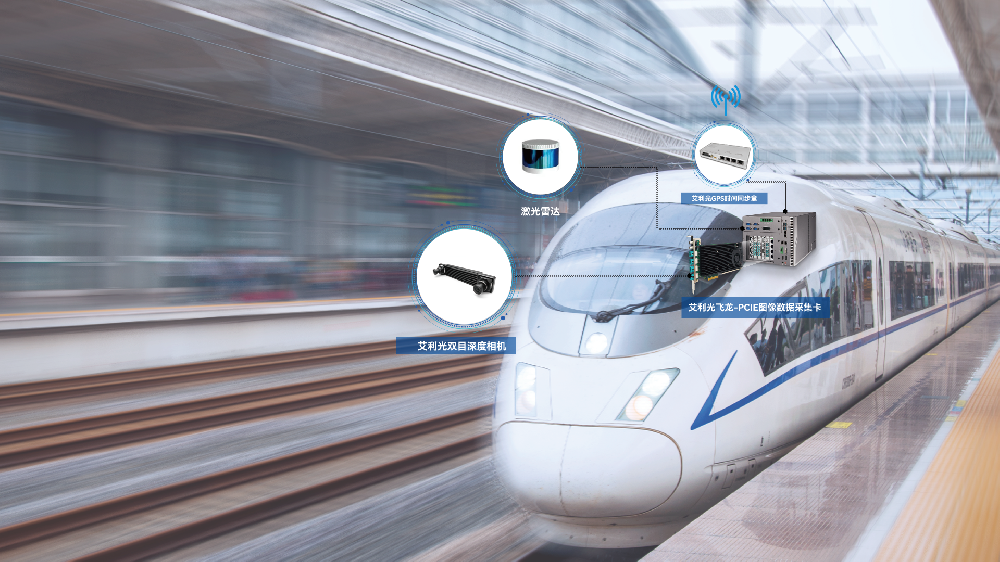
High-Efficiency X86 Computing Power
Leveraging the powerful computing performance of the X86 architecture and NVIDIA high-performance GPUs, the system processes sensor data in real-time, enhancing navigation response speed and decision accuracy.
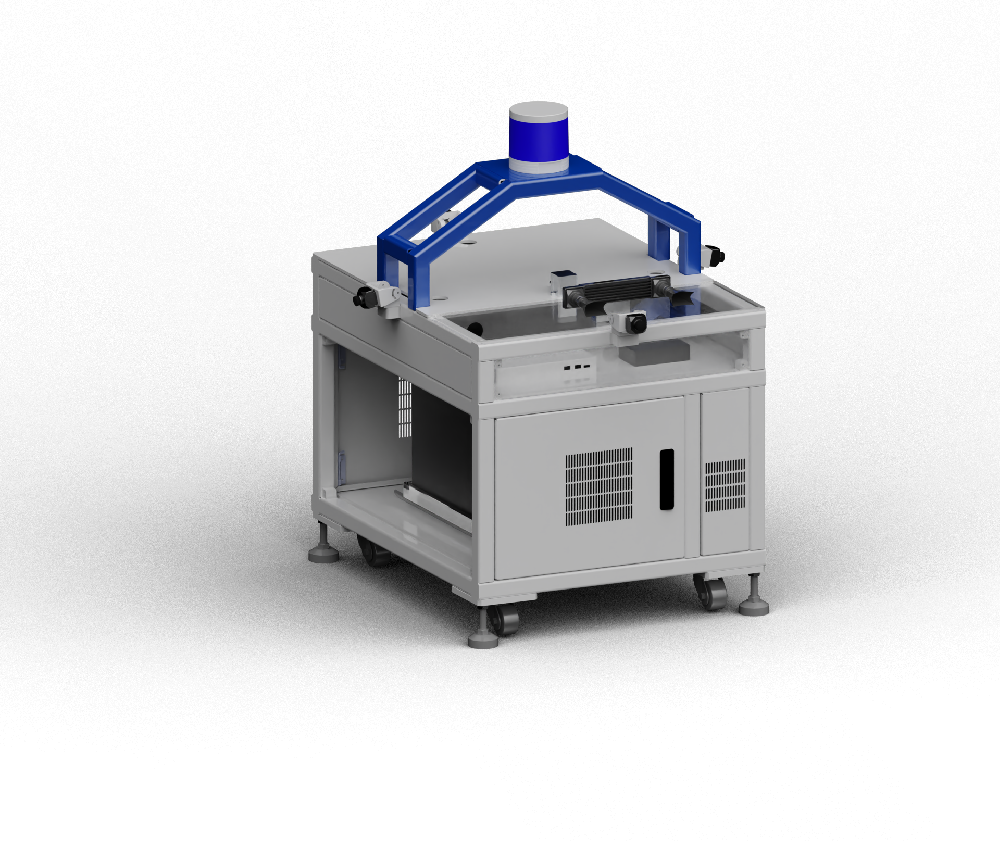
AI Dynamic Navigation
Based on deep neural networks to optimize stereo vision matching accuracy, and integrating machine learning algorithms, the system achieves intelligent obstacle prediction and visual relocalization, significantly improving computational accuracy in complex scenarios.

All-Environment Reliability
With a dual-redundant architecture design and tested across a wide temperature range of -40℃ to 85℃, the system ensures high reliability and stability in various harsh environments.
IP67 dustproof and waterproof performance
Wide temperature range of -40°C to 85°C
Reliable hardware design