RK3568/J6412-based EMU Multi-port Control Host, Empowering Energy Storage Industrial Interconnection Management and O&M
In the construction of China's new power system, the installed capacity of renewable energy generation has been increasing year by year. However, the volatile and intermittent nature of new energy sources like solar and wind power poses challenges to the stable supply of electricity to the grid. To promote the integration of new energy generation and ensure the safe operation of the power grid, energy storage has become a crucial component.
- Customer Application Requirements
Distributed energy storage technology is increasingly applied in the industrial and commercial sectors, playing a significant role in smoothing renewable energy output, peak shaving and valley filling, balancing grid load, improving energy utilization efficiency, and reducing energy consumption. A certain energy technology company in Shenzhen needs to build a photovoltaic (PV) integrated energy storage project, specifically a 100KW/200KWh accompanying energy storage system, in a certain location. The EMS (Energy Management System) acts as the core of the entire system, undertaking critical functions such as equipment monitoring, energy management, and fault alarming. It needs to achieve a cloud-edge integrated effect, ensuring that edge data is reported to the cloud platform losslessly and in real-time, and that cloud platform commands are securely and promptly transmitted to the edge.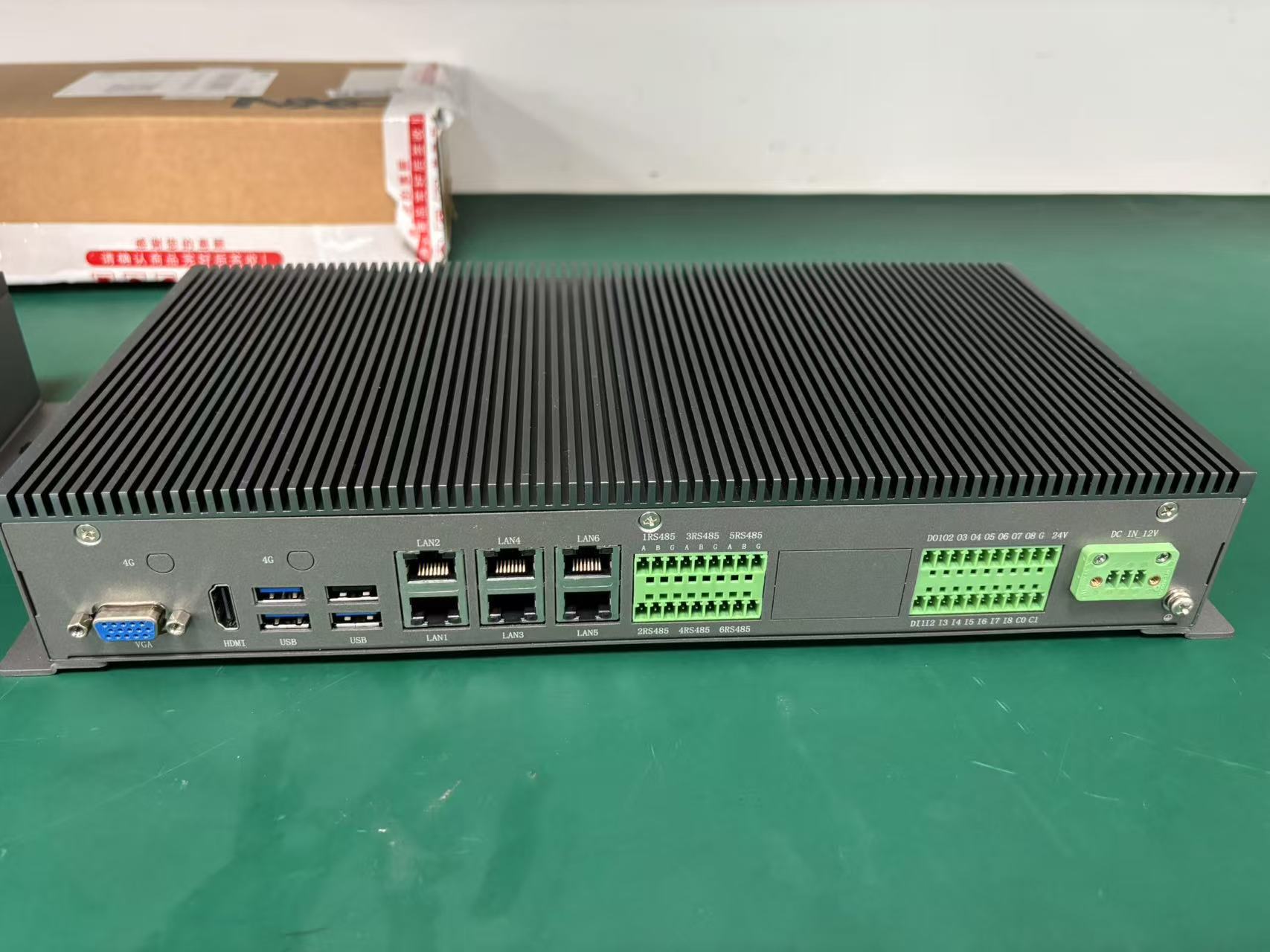
Project Requirements:
Demand-side response: Enhance grid peak-shaving and dispatch capabilities, respond to electricity demand, and improve user-friendliness. Power station upper-layer applications: Real-time adjustment of power station strategies such as peak shaving and valley filling, demand control, and anti-reverse current based on the station's revenue and operational status, to maximize power station profitability. System management requirements: Intelligent management of industrial and commercial energy storage systems, including electricity monitoring, fault early warning, and remote control, enabling enterprises to understand the real-time operational status of the energy storage system and perform effective management and maintenance. Off-grid power supply: The energy storage system can support off-grid operation during major grid failures, improving new energy utilization and ensuring uninterrupted power supply to critical loads.
EMS Controller Requirements:
Various devices that the EMS system needs to interface with: PCS (Power Conversion System), BMS (Battery Management System), air conditioners, electricity meters, smart circuit breakers, fire alarm hosts, various sensors, indicator lights, etc. This requires the industrial PC to have multiple serial ports, including CAN Bus, RS485, and more than 10 DIO (Digital Input/Output) channels.
To achieve bidirectional data flow between the energy storage station and the cloud platform, the EMS system requires stable network connectivity and transmission. This necessitates the industrial PC to support multiple Gigabit Ethernet ports and for the device to support wireless transmission.
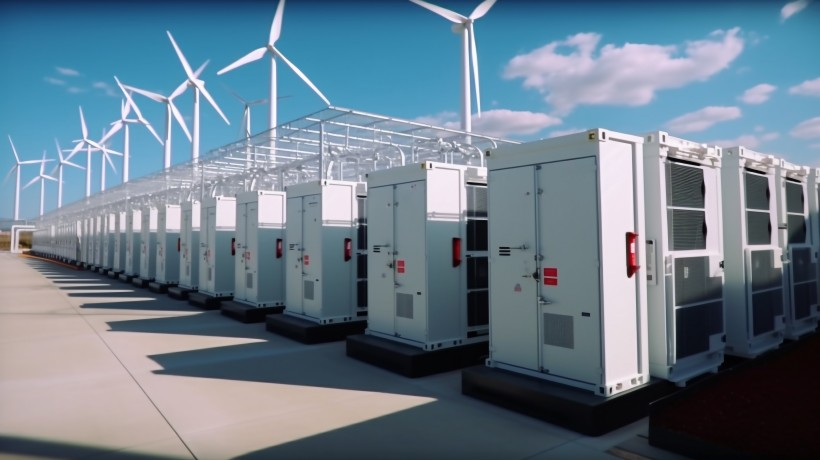
Energy storage equipment is typically deployed in complex environments. To ensure the EMS system can operate stably and continuously 24/7 in such environments, the industrial PC must be suitable for harsh operating conditions and capable of long-term stable operation.
Software Solution:
Strong compatibility: Adapted to a rich variety of operating system versions, including Yocto, Ubuntu, and more.
Customized AIM-Linux: Provides an energy-tailored Linux operating system that helps customers achieve efficient deployment, real-time cloud-based device status management, and data acquisition for tens of thousands of data points. Furthermore, the system includes various functions such as disaster recovery, remote monitoring, and unattended operation to ensure the long-term stable operation of energy storage systems. For three application scenarios – large energy storage cabinets deployed in remote areas, household energy storage units distributed to individual homes, and EV charging and swapping stations across the road network – it offers a complete cloud-edge collaboration solution with stable edge software + long-term convenient O&M + subsequent agile development for instant automated control. Smart Energy Solution: Leveraging digital technology, it provides capabilities such as enterprise energy saving and carbon reduction dashboards, carbon asset management, energy management, HVAC energy efficiency management, air compressor energy efficiency management, and power management. This assists enterprises in improving energy usage, enhancing energy efficiency, uncovering energy-saving potential, and facilitating carbon trading, thereby driving decarbonization through digitalization, empowering enterprises to save energy, reduce emissions, and embark on the path to low carbon.