Application Scenarios for Power Communication Management Units Based on RK3568/RK3588/ J6412/Phytium FT2000?
#网络#人工智能
A Power Communication Management Unit (also known as a Communication Management Unit or DPU) is a core communication hub device in power systems and related fields. Its typical application scenarios include:
⚡ I. Core Scenarios in Power Systems
-
Substations
- Serves as a data relay hub between on-site monitoring equipment (such as relay protection devices, smart meters, RTUs) and the upper-level dispatch center, enabling remote signaling, remote measurement, remote control, and remote adjustment functions, supporting fault location in seconds and remote control of circuit breaker operations12.
- In unmanned substations, it independently completes data acquisition and forwards it to the dispatch center via dual channels, ensuring stable operation of remote sites58.
-
Power Plants and Centralized Control Stations
- Applied in thermal power, hydropower, and photovoltaic power stations, integrating data from generation units into the main control system to optimize energy dispatch and equipment management26。
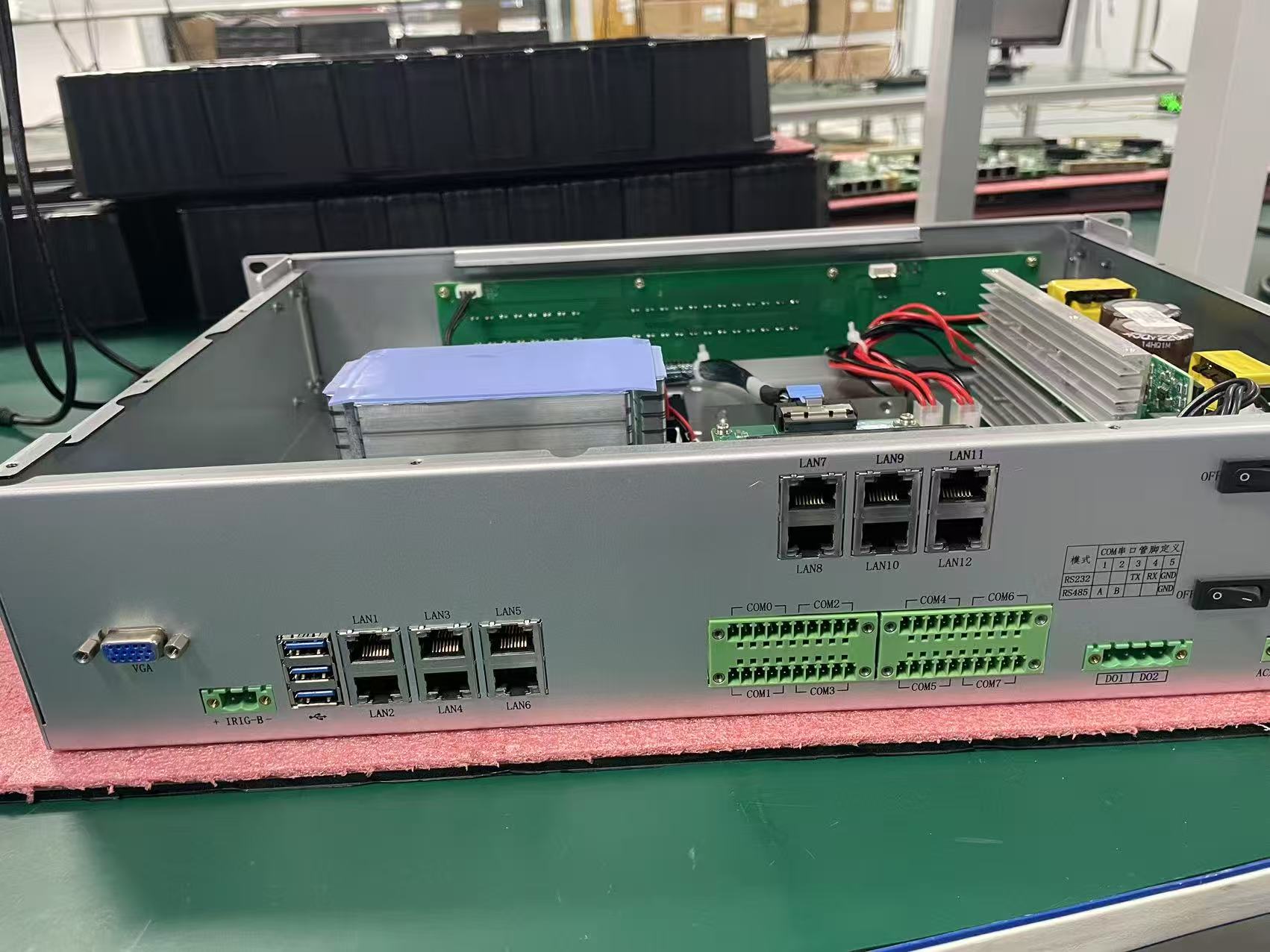
- Applied in thermal power, hydropower, and photovoltaic power stations, integrating data from generation units into the main control system to optimize energy dispatch and equipment management26。
🏢 II. Energy Management Scenarios
- Building/Factory Energy Monitoring
- Collects data from meters such as electricity meters and water meters, uploads it in real-time to the Energy Management System (EMS), supporting energy consumption analysis and the formulation of energy-saving strategies710.
- New Energy Stations
- In photovoltaic power stations, it connects inverters, meteorological sensors, and other equipment to achieve power generation efficiency monitoring and transparent data transmission67.
III. Industrial Automation Scenarios
- Factory Production Lines
- Integrates data from devices such as PLCs, sensors, and actuators, supporting collaborative control of production processes and real-time status feedback7。
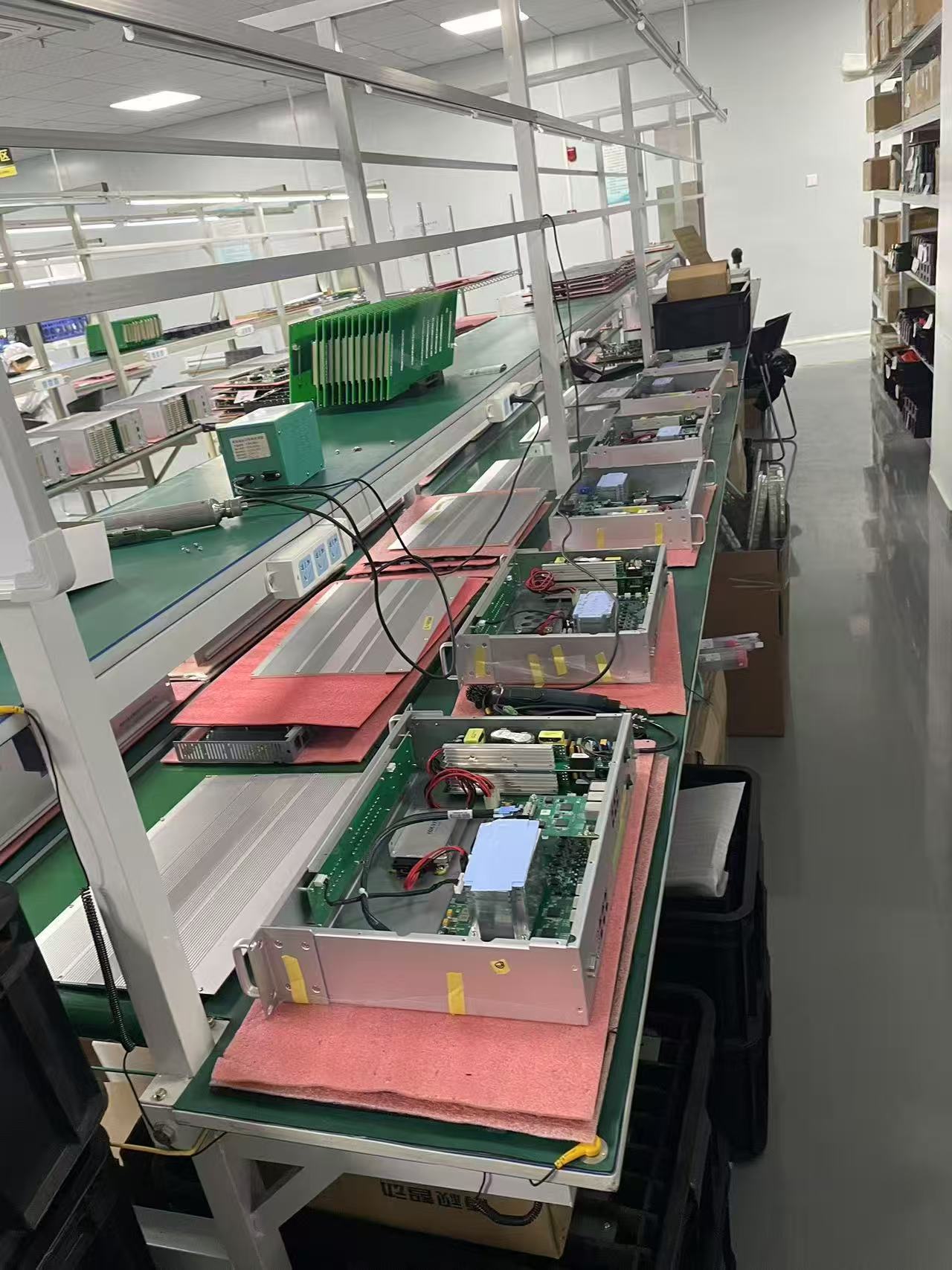
- Integrates data from devices such as PLCs, sensors, and actuators, supporting collaborative control of production processes and real-time status feedback7。
- Harsh Industrial Environments
- Adapts to strong electromagnetic interference and high-dust environments (such as railways, offshore platforms), ensuring communication reliability through industrial-grade design (IP40 protection, 6KV lightning protection)69.
🚦 IV. Smart Infrastructure Scenarios
- Traffic Control Systems
- Used for highway monitoring and traffic signal management, enabling device linkage and data aggregation7.
- Security and Building Automation
- Integrates access control, lighting, air conditioning, and other systems, automatically adjusting equipment operation based on environmental parameters7。
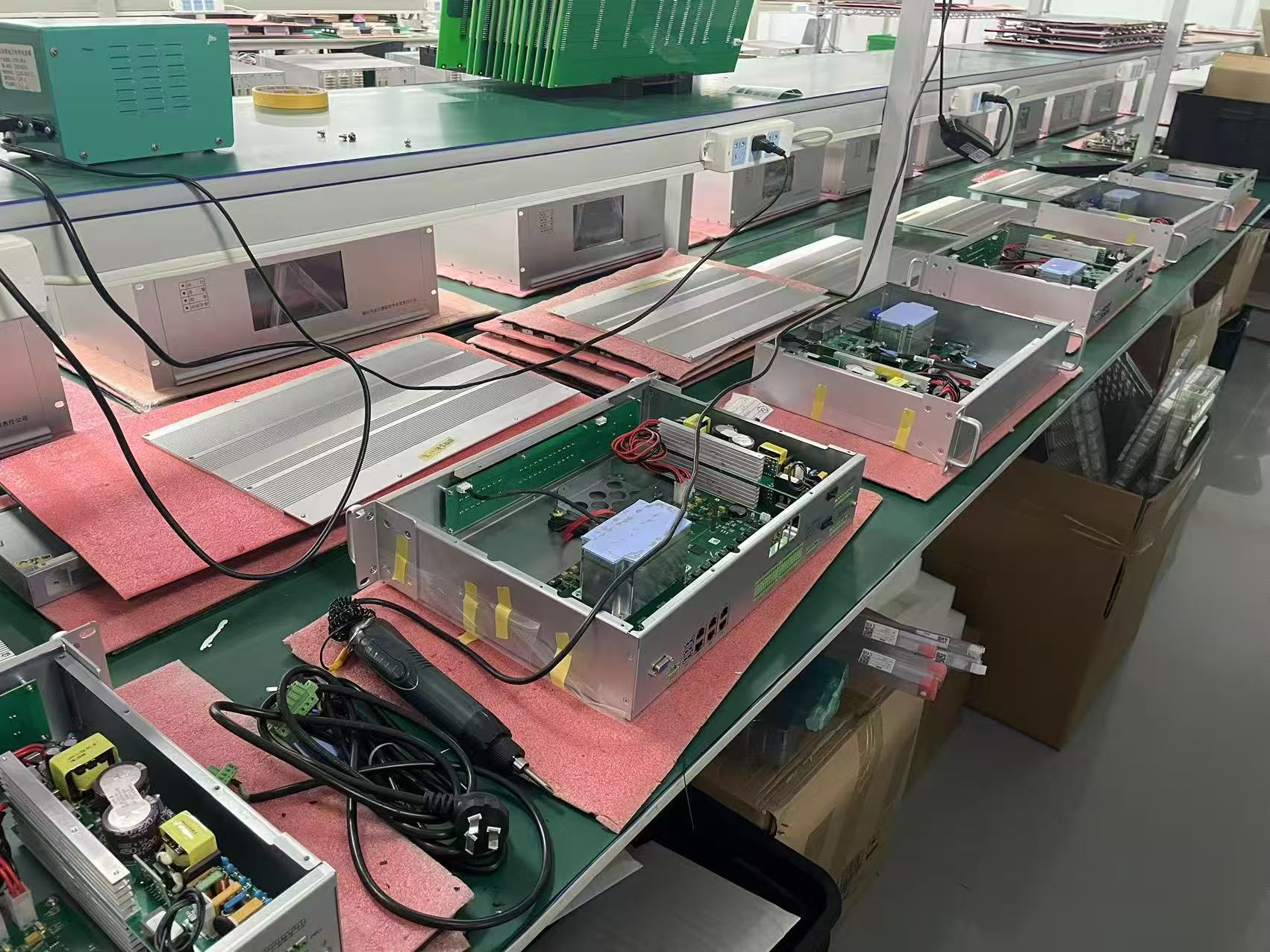
- Integrates access control, lighting, air conditioning, and other systems, automatically adjusting equipment operation based on environmental parameters7。
🛡️ Core Technical Support
- Multi-protocol Compatibility: Supports over 20 industrial protocols such as DL/T 645 and MODBUS, and adapts to various interfaces including RS485/CAN/Ethernet/WiFi16.
- High Reliability Design: Industrial-grade hardware, dual power redundancy, hot-swappable cards, and ring network self-healing (<20ms) ensure uninterrupted operation46.
Note: In compact scenarios such as prefabricated substations, communication management units are often used as pre-installed integrated components, providing a "one-stop" communication solution5.