RK3588 Audio and Video Encoding and Decoding Applications in Edge Server Clusters
The application of RK3588 audio and video encoding and decoding in edge server clusters is primarily reflected in three aspects: high-performance parallel processing, low-latency transmission, and multi-scenario adaptability. The specific technical implementation is as follows:
🚀 I. Ultra-Scale Video Stream Parallel Processing
- Cluster-Level Encoding and Decoding Throughput
- A single node (equipped with 80 RK3588 chips) can concurrently decode 640 channels of 4K@30FPS H.265 video streams, supporting 8K@60fps hardware decoding and 8K@30fps encoding, meeting the massive video analysis demands of smart cities, traffic monitoring, and other applications.57
- The entire machine's AI computing power reaches 480TOPs, supporting real-time recognition and feature extraction of video stream content.5
- Dynamic Bitrate Adaptation
- Supports multi-channel video transmission over narrow bandwidths of 500Kbps~2Mbps, with real-time bitrate adjustment ensuring clear and smooth images in low-bandwidth scenarios.1
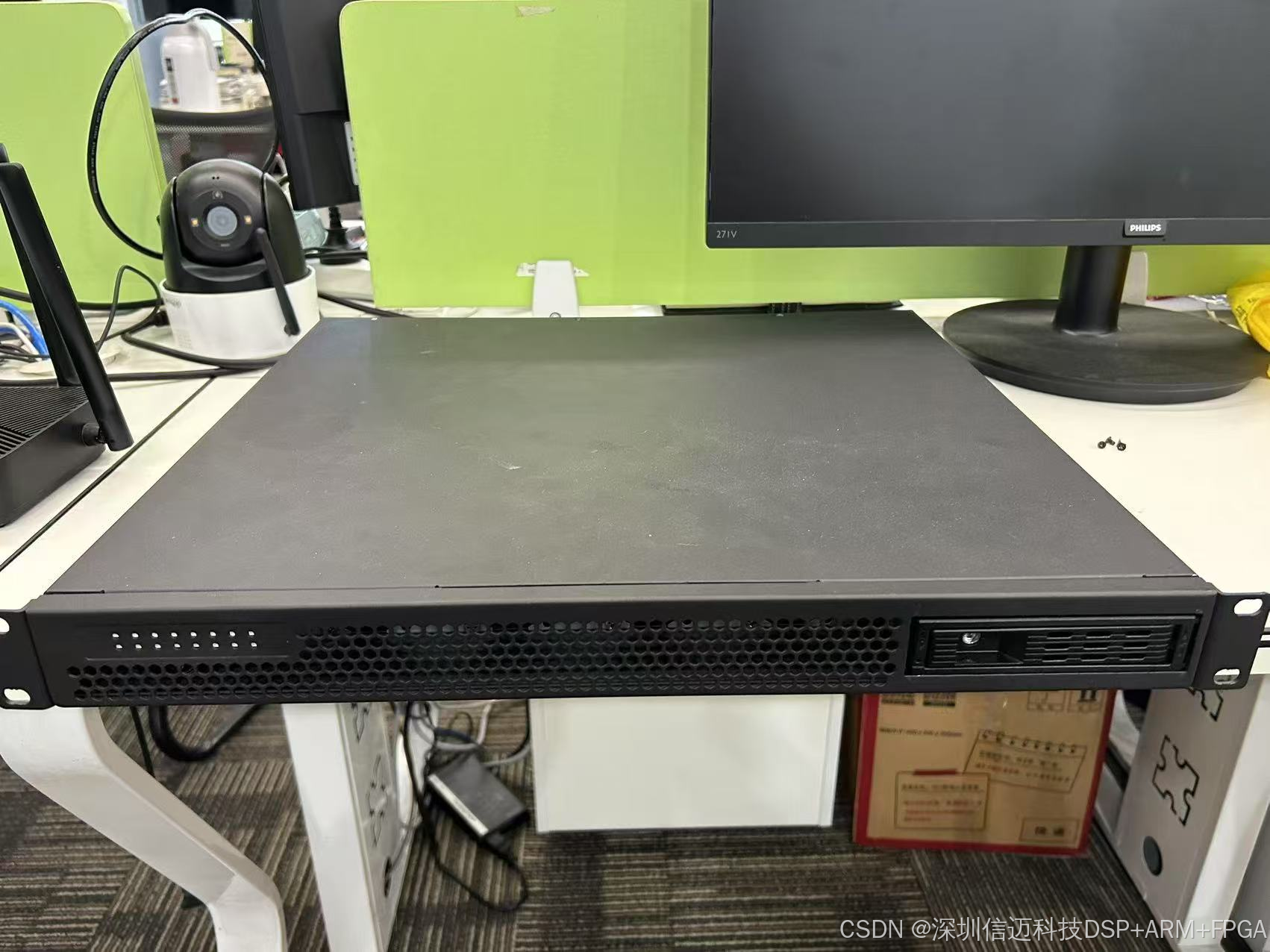
- Supports multi-channel video transmission over narrow bandwidths of 500Kbps~2Mbps, with real-time bitrate adjustment ensuring clear and smooth images in low-bandwidth scenarios.1
⏱️ II. Extreme Low-Latency Control
- Encoding and Decoding Acceleration
- H.265-based encoding and decoding latency is as low as 15ms (camera → processing), with end-to-end latency ≤60ms (including transmission), meeting the demands of real-time remote control (e.g., precise strikes by anti-terrorism robots).111
- Hardware Passthrough Optimization
- By extending high-speed data acquisition cards via PCIe 4X, data transmission layers are reduced; NPU+GPU collaborative scheduling reduces processing latency by 22%.1112
🌐 III. Typical Application Scenarios
Scenario
Technical Solution
Performance Metrics
Cloud Gaming/Cloud Phone
The cluster supports over a thousand Android instances, with native Arm architecture enabling millisecond-level response for game commands; hardware decoding reduces CPU load by 40%+.57
1080P game latency < 20ms
Industrial Edge Gateway
Multi-protocol conversion (Modbus/OPC UA) + video analysis, with wide temperature operation from -40℃ to 70℃ ensuring stability in harsh environments.1213
Fault identification accuracy 99.3%3
Security Monitoring Cluster
Supports 32 IPC access channels + 24 AI analysis channels, enabling real-time face/behavior detection in 8K video streams.713
Daily inspection of 50km power grid for faults, efficiency increased by 2 times.3
⚙️ IV. Core Architectural Advantages
- Heterogeneous Computing Collaboration
- CPU (A76+A55 cluster) handles protocol conversion, NPU (6TOPs) focuses on AI inference, and GPU (Mali-G610) accelerates graphics rendering, achieving resource utilization of 80%.312
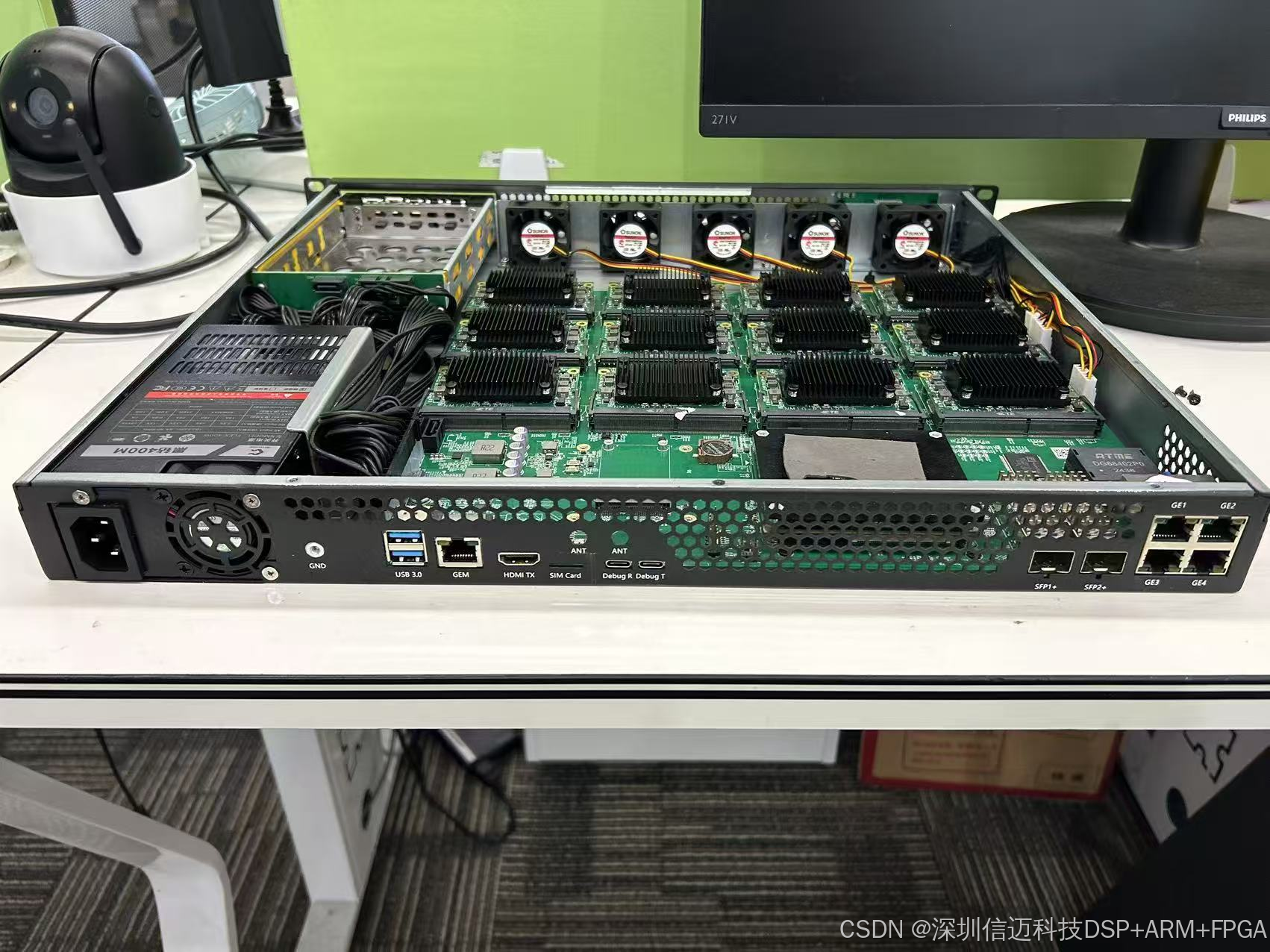
- CPU (A76+A55 cluster) handles protocol conversion, NPU (6TOPs) focuses on AI inference, and GPU (Mali-G610) accelerates graphics rendering, achieving resource utilization of 80%.312
- Edge-Side Energy-Saving Design
- The entire machine's power consumption is <12W (high-performance mode), with a fanless thermal design adapting to -20℃~70℃ environments; overall energy consumption is reduced by 35% compared to traditional solutions.813
⚠️ Implementation Challenges
- Bandwidth Bottleneck: Narrowband channels require video resolution compression, and 8K raw data relies on local pre-processing (e.g., FPGA-assisted downsampling).16
- Protocol Compatibility: Industrial scenarios require customized development of protocol drivers like OPC UA, increasing deployment complexity.12
In summary, RK3588, through hardware encoding/decoding acceleration + cluster elastic expansion, reshapes the paradigm of edge video processing, forming significant advantages in real-time performance, energy efficiency, and multi-scenario adaptability.