Typical AGV Application Cases and Technical Analysis on the RK3588 Platform
Typical AGV Application Cases and Technical Analysis on the RK3588 Platform
I. Multi-sensor Fusion Navigation and Dynamic Obstacle Avoidance
-
High-Precision Indoor Navigation
- With its 8-core CPU (4xA76+4xA55) and 6TOPS NPU computing power, the RK3588 supports multi-source data fusion from LiDAR, vision cameras, IMU, and more, achieving centimeter-level positioning and real-time obstacle avoidance for AGVs, suitable for complex and dynamic industrial environments12.
- Dynamic obstacle avoidance response speed is enhanced to milliseconds, adapting to human-machine collaborative operation scenarios and reducing collision risks68.
-
Visual Recognition and Path Planning
- The built-in NPU supports AI models such as yolov5s, achieving up to 49fps when processing high-definition video streams, enabling AGV visual navigation and target tracking (e.g., warehouse shelf recognition)34.
- Combined with SLAM algorithms for 3D mapping, it supports autonomous navigation without predefined paths, meeting the demands of flexible production lines26.

II. Multi-robot Collaborative Scheduling System
-
Large-Scale AGV Cluster Control
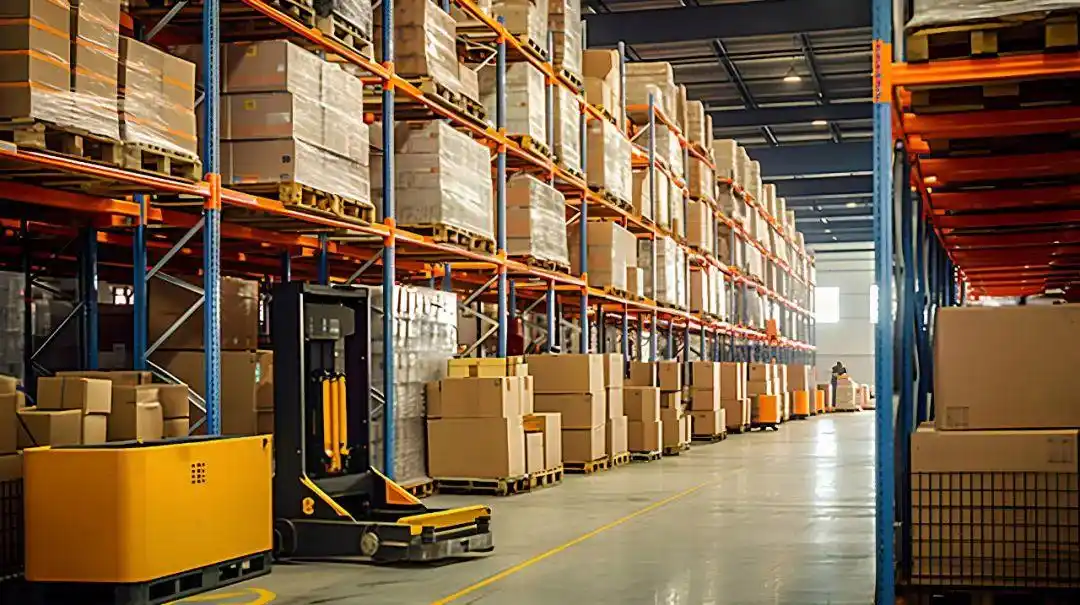
- The RK3588 supports multi-threaded parallel processing, capable of simultaneously managing path planning and communication protocols for hundreds of AGVs, reducing scheduling delays and path conflicts (e.g., in e-commerce warehousing scenarios)12.
- By extending multiple sensors via PCIe/USB interfaces, it enables multi-AGV collaborative transport and dynamic adjustment of task priorities68.
-
Industrial IoT Integration
- Integrated with M-IoT solutions, it provides real-time monitoring of AGV operational status, supporting remote OTA upgrades and fault diagnosis (e.g., in automotive assembly lines)56.
III. New Energy Charging Robots
- Mobile Charging Pile Applications
- AGV charging robots based on the RK3588J mainboard utilize AI algorithms to achieve autonomous vehicle-seeking and charging for new energy vehicles, supporting the transition from 'vehicle seeking pile' to 'pile seeking vehicle' mode78.
- Integrated with 4K video processing capabilities, it analyzes obstacles in the charging environment in real-time, ensuring the safety of mobile charging8.
IV. Lightweight AGV Scenario Adaptation
-
Basic Handling and Low-Cost Solutions
- RK3568 (17fps inference performance) and RK3562 (21fps) chips support lightweight applications such as magnetic navigation AGVs and QR code navigation vehicles, suitable for fixed-route material handling (e.g., material transport in electronics factories)35.
- Integrated CAN bus and GPIO interfaces, compatible with low-cost sensors (e.g., RFID, ultrasonic modules)5.
-
Customized Solutions for Specific Industries
- In medical scenarios, AGVs can support embedded disinfection modules, accelerating UV lamp control and environmental monitoring algorithms via the NPU4.
V. Typical Industry Implementation Cases
| Scenario | Technical Solution | Core Advantage | Source |
|---|---|---|---|
| Smart Warehousing and Logistics | RK3588 + LiDAR + Visual Navigation | Multi-robot collaboration efficiency increased by 40%, supports 24-hour operation26 | Automotive/3C Manufacturing |
| New Energy Charging Stations | RK3588J + AI Charging Scheduling System | Charging pile utilization increased by 60%78 | Parking Lots/Service Areas |
| Pharmaceutical Production Lines | RK3568 + Magnetic Navigation + Disinfection Module | Meets low-power requirements for cleanrooms45 | Pharmaceutical/Medical Device Factories |
The cases above comprehensively demonstrate the performance advantages of chips like RK3588 and RK3568 in various scenarios, covering a full spectrum of needs, from high-end dynamic obstacle avoidance to low-cost fixed routes.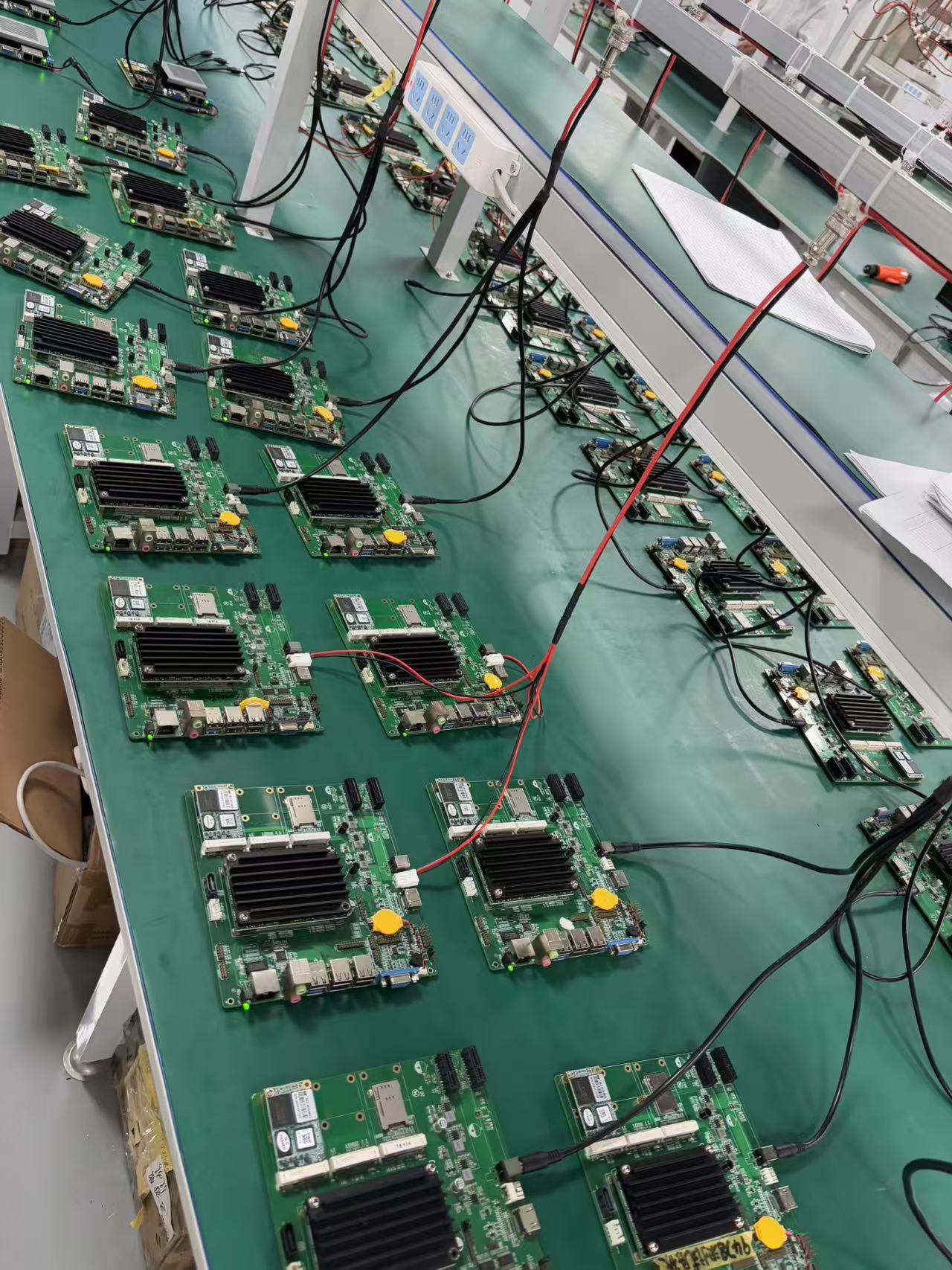
RK3588 Robot Controller Core Performance Parameters
I. Core Computing Unit
-
CPU Architecture
- Adopting ARM big.LITTLE architecture, including 4×Cortex-A76 (up to 2.4GHz) and 4×Cortex-A55 (up to 1.8GHz), it supports dynamic task allocation, balancing high performance with low power consumption12.
- Supports multi-core collaborative computing, capable of parallel processing robot motion control, sensor data fusion, and communication protocol parsing56.
-
GPU Performance
- Integrated Mali-G610 MP4 GPU, supports graphics APIs such as OpenGL ES 3.2 and Vulkan 1.2, meeting the demands for 3D mapping and real-time rendering25.
- Capable of driving multi-screen heterogeneous display (up to 8K resolution), adapting to industrial HMI interfaces35.
II. AI Acceleration and Real-time Control
-
NPU Computing Power
- Built-in independent 6TOPS NPU computing power, supports TensorFlow/PyTorch model deployment, with typical AGV obstacle avoidance inference frame rate ≥30FPS56.
- Supports INT4/INT8/INT16 mixed-precision computing, capable of deploying edge-side large language models with less than 3B parameters (e.g., for Q&A, translation scenarios)58.
-
Real-time Responsiveness
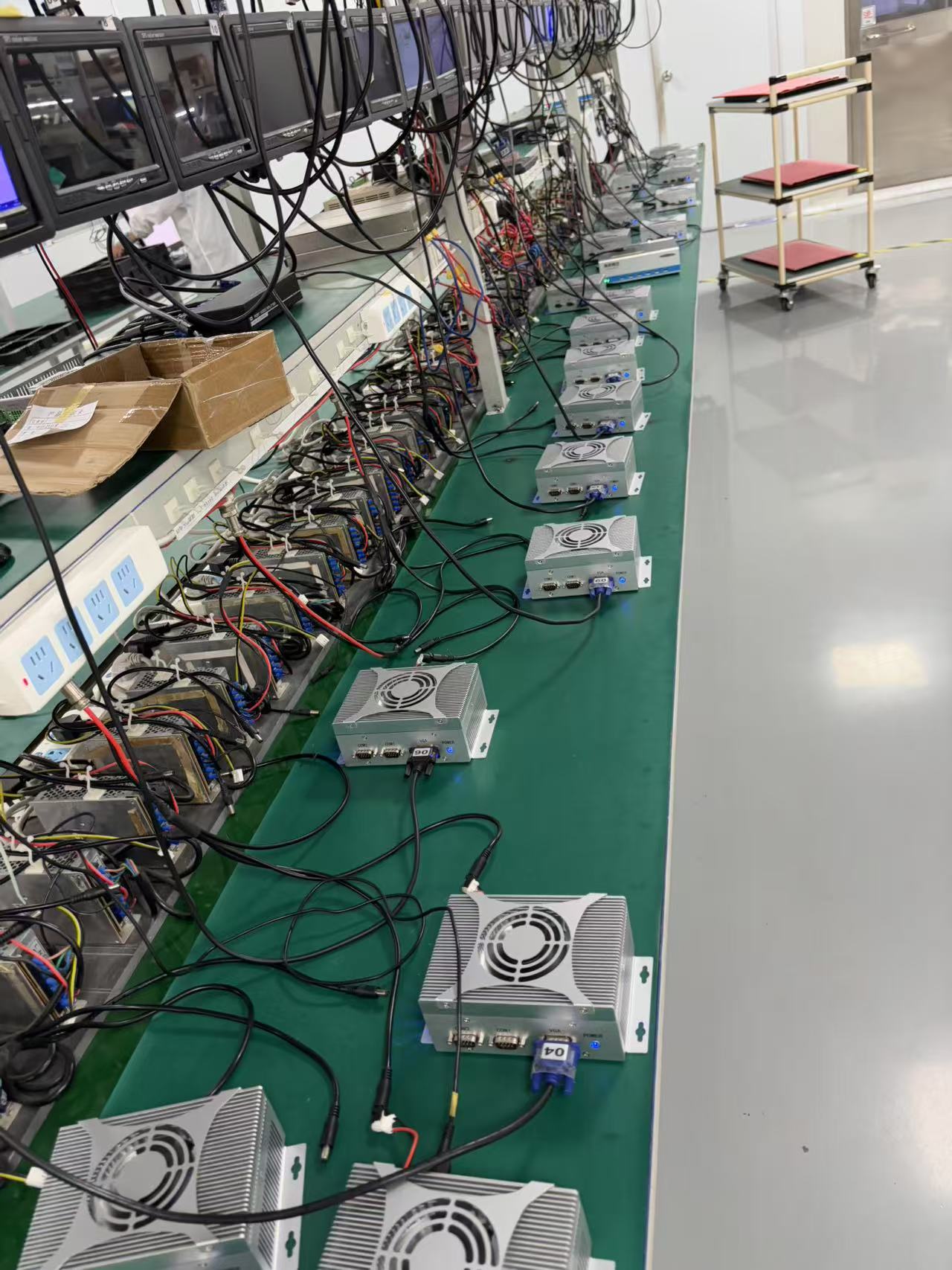
- Optimized with CPU core isolation technology and PREEMPT_RT patch, task response latency is ≤50μs, meeting the demands for high-precision motion control6.
- Optimized with CPU core isolation technology and PREEMPT_RT patch, task response latency is ≤50μs, meeting the demands for high-precision motion control6.
III. Multimedia and Sensor Processing
-
Vision Processing Capability
- Supports 8K@60fps H.265/AV1 video decoding and 8K@30fps encoding, capable of simultaneously processing multiple camera inputs (e.g., 32 channels of 1080P@30fps)35.
- Integrated 48MP ISP, supports image enhancement features such as HDR and 3D noise reduction, improving visual navigation accuracy58.
-
Multi-sensor Fusion
- Supports multi-source data fusion from LiDAR, IMU, wheel odometers, etc., combined with RTK differential positioning technology, achieving centimeter-level indoor and outdoor positioning (drift <10cm in tunnel scenarios)68.
IV. Industrial Interfaces and Expandability
| Interface Type | Functional Features | Typical Application Scenarios |
|---|---|---|
| PCIe 3.0 | Supports expansion of high-speed data acquisition cards, industrial cameras, and other devices56 | Machine Vision System Integration |
| Dual Gigabit Ethernet Ports | Enables high-speed communication and remote control for multiple devices36 | Industrial IoT Cluster Management |
| CAN Bus | Compatible with industrial robot servo drive protocols5 | Motion Control Command Transmission |
| MIPI-CSI | Supports simultaneous access for multiple cameras56 | Stereo Vision/Environmental Perception Systems |
V. Reliability and Environmental Adaptability
-
Industrial-Grade Stability
- Wide operating temperature range (-40°C~85°C), passed 2000 hours of high-temperature and high-humidity aging tests, with MTBF > 50,000 hours36.
- IP65 protection rating (optional), salt spray resistant coating design, adapting to complex environments such as ports and agriculture68.
-
Energy Efficiency
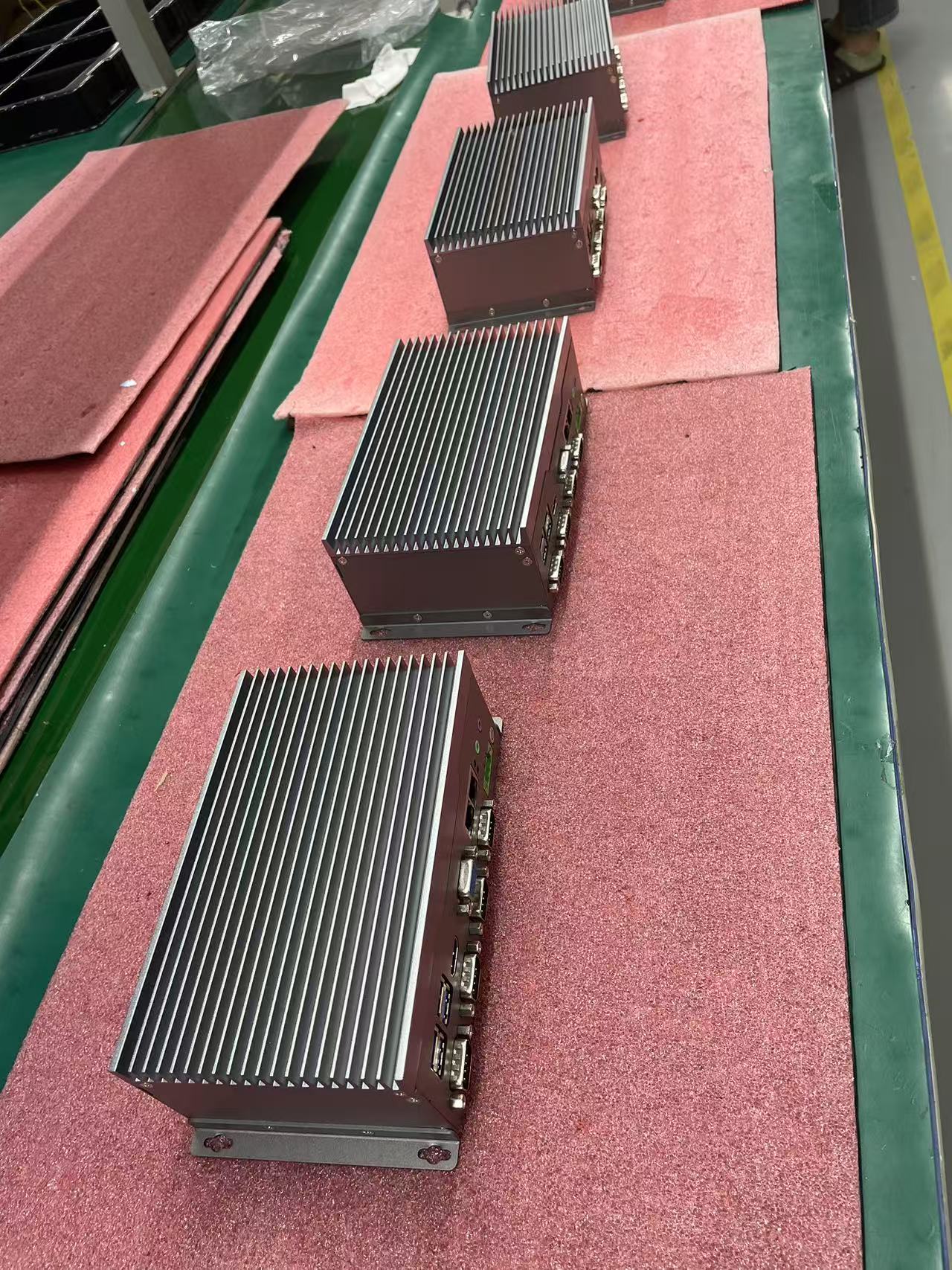
- Based on 6nm process technology, typical power consumption of 5-10W, supports 24/7 continuous operation35.
- Based on 6nm process technology, typical power consumption of 5-10W, supports 24/7 continuous operation35.
The parameters above comprehensively reflect the advantages of the RK3588 in the field of robot control — high performance, low latency, and strong expandability — covering full-spectrum needs from smart warehousing to complex industrial scenarios.
Sienovo provides RK3588 robot controller solutions.