8K Multi-Screen Android Smart Network Set-Top Box Based on RK3588
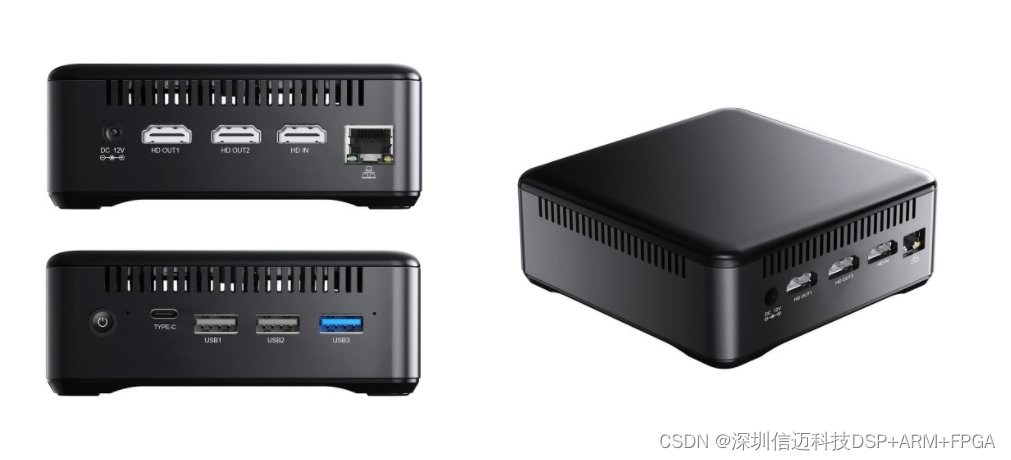
Rockchip's RK3588 has become the reference silicon for high-end Android TV and industrial media boxes, and this 8K smart network set-top box shows why. Built around the RK3588 chip platform and shipping with a clean Android 12 OS, the unit targets OEM and ODM buyers in export markets who need a powerful, flexible media appliance they can brand and configure to spec.
Why RK3588?
The RK3588 is an octa-core Rockchip SoC that combines four ARM Cortex-A76 performance cores with four ARM Cortex-A55 efficiency cores, a Mali-G610 GPU, and an integrated NPU. Its hardware video engine supports decode up to 8K at 60 fps across H.265, VP9, AV1, and other modern codecs, which is what makes 8K multi-screen output practical rather than aspirational on this platform. The chip also has broad OS support in the open-source community, which explains why this box can offer Android 12 as the primary OS while still allowing expansion into Ubuntu and Debian for integrators who need a more conventional Linux userland.
Display and Multi-Screen Capability
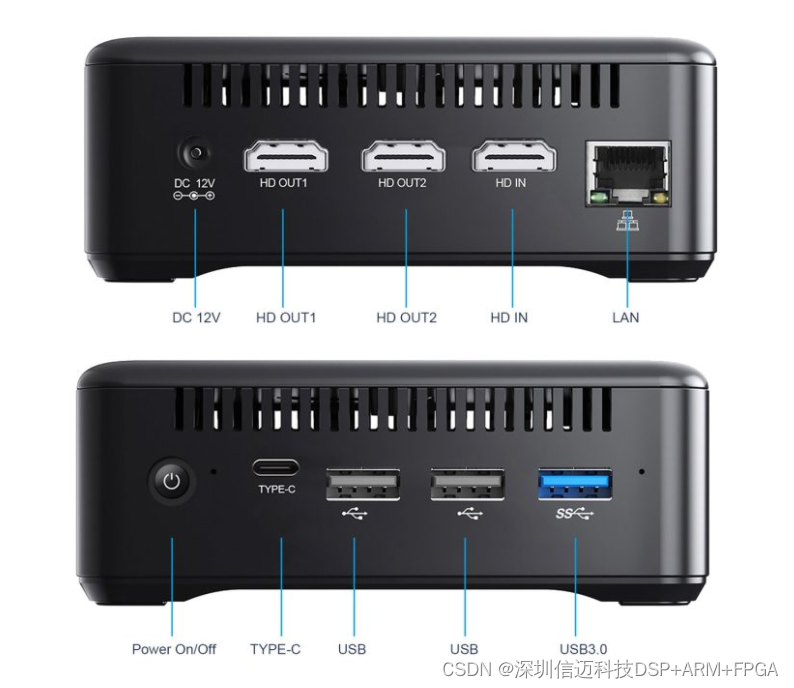
The set-top box ships with two HDMI output ports and one HDMI input port. The dual HDMI outputs allow the unit to drive two independent display zones simultaneously — a common requirement in digital signage, retail kiosk, and hospitality deployments where a single appliance needs to feed a main screen and a secondary information panel at the same time. The HDMI input adds video capture capability, letting the box ingest a signal from a camera, Blu-ray player, or other source and process or re-stream it through the SoC — useful for content production setups or AV-over-IP workflows.
Connectivity
Wireless connectivity comes from an integrated dual-band WiFi 6 module. WiFi 6 (802.11ax) brings meaningful real-world improvements over its predecessors in dense environments: OFDMA scheduling reduces airtime contention when many devices share the same access point, and higher theoretical throughput headroom means 4K or 8K stream buffering is less likely to stall during peak network hours. For wired deployments the box includes Gigabit Ethernet, which comfortably handles sustained 8K bitstreams or simultaneous multi-stream scenarios. USB interfaces round out the connectivity picture for storage expansion, peripherals, and firmware recovery.
Operating System Flexibility
The base OS is a clean build of Android 12 — meaning no pre-installed bloatware or operator-locked applications, which matters to OEM buyers who want full control over the software stack they ship to end customers. Beyond Android, the platform supports expansion to Ubuntu and Debian. This is particularly valuable for industrial or commercial integrators: Ubuntu/Debian opens the door to standard package management, containerized workloads, Python-based control software, and conventional Linux system administration tooling, all on the same hardware.
OEM and ODM Options
The unit is explicitly positioned for the international OEM and ODM market. OEM orders allow customers to rebrand the hardware with their own logo, packaging, and pre-loaded firmware image. ODM orders go further, allowing hardware-level customization — antenna placement, enclosure design, additional I/O — subject to minimum order quantities and engineering engagement with the manufacturer. For companies building a branded streaming appliance, a digital signage player, or an edge media server for a specific vertical, this kind of customization path significantly reduces the hardware development burden compared to designing around the RK3588 from scratch.
Summary
The combination of an RK3588 processor, native 8K decode, dual HDMI output, HDMI input, WiFi 6, Gigabit Ethernet, and a clean Android 12 base with Linux expansion options makes this set-top box a capable platform for a wide range of media and commercial display applications. For buyers sourcing hardware for export markets who need OEM or ODM flexibility, it covers the core requirements without forcing a ground-up hardware design.